

Trade
Basic
Futures
Futures
Hundreds of contracts settled in USDT or BTC
TradFi
Gold
Trade global traditional assets with USDT in one place
Options
Hot
Trade European-style vanilla options
Unified Account
Maximize your capital efficiency
Demo Trading
Futures Kickoff
Get prepared for your futures trading
Futures Events
Participate in events to win generous rewards
Demo Trading
Use virtual funds to experience risk-free trading
Earn
Launch
CandyDrop
Collect candies to earn airdrops
Launchpool
Quick staking, earn potential new tokens
HODLer Airdrop
Hold GT and get massive airdrops for free
Launchpad
Be early to the next big token project
Alpha Points
Trade on-chain assets and enjoy airdrop rewards!
Futures Points
Earn futures points and claim airdrop rewards
Investment
Simple Earn
Earn interests with idle tokens
Auto-Invest
Auto-invest on a regular basis
Dual Investment
Buy low and sell high to take profits from price fluctuations
Soft Staking
Earn rewards with flexible staking
Crypto Loan
0 Fees
Pledge one crypto to borrow another
Lending Center
One-stop lending hub
VIP Wealth Hub
Customized wealth management empowers your assets growth
Private Wealth Management
Customized asset management to grow your digital assets
Quant Fund
Top asset management team helps you profit without hassle
Staking
Stake cryptos to earn in PoS products
Smart Leverage
New
No forced liquidation before maturity, worry-free leveraged gains
GUSD Minting
Use USDT/USDC to mint GUSD for treasury-level yields

More


Trending Topics
View More157.11K Popularity
30.27K Popularity
27.06K Popularity
72.32K Popularity
13.25K Popularity



Pin
#我在Gate广场过新年
Spring Festival Customs Overview
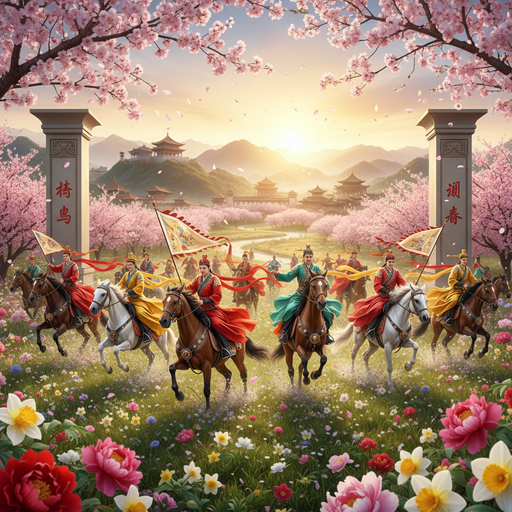
Spring Festival, like a magnificent and colorful historical scroll, slowly unfolds in the long river of time, carrying the cultural heritage and emotional significance of the Chinese nation for thousands of years. It is not just a holiday, but an important time for family reunions, cultural inheritance, and blessings. Each traditional custom contains profound cultural connotations and good wishes.
Ancestor Worship: Respecting the Past and Continuing Filial Piety
Ancestor worship during the Spring Festival is a vivid expression of traditional filial piety in China. On the eve of the festival, every household carefully prepares various offerings, such as sumptuous dishes, fruits, and pastries, and places them in front of the ancestors' tablets. These offerings are not only material offerings but also expressions of respect and remembrance for ancestors.
The ritual is usually led by the elders of the family, dressed in solemn attire, performing the rites with a serious demeanor. During the ceremony, people light incense and candles, burn joss paper, and recite prayers, reporting the family’s past year to the ancestors and praying for their protection for a safe, smooth, and prosperous new year.
Paste Spring Couplets: Farewell to the Old and Welcome the New, Conveying Good Wishes
Pasting spring couplets is one of the most representative customs of the Spring Festival. Also known as duilian or door couplets, they use well-matched, elegant language to express people's hopes and blessings for the new year.
The content of the couplets is rich and diverse, including blessings for national prosperity, such as “Top line: The four seas are peaceful and singing a prosperous era; Bottom line: The nine provinces glow with celebration for the new spring.” They also express hopes for family happiness, like “Top line: Blessings as vast as the East Sea; Bottom line: Longevity like the Southern Mountain pine.” Additionally, they convey wishes for smooth careers and abundant wealth, such as “Top line: Business prospers across the four seas; Bottom line: Wealth flourishes in the three rivers.”
Set Off Firecrackers: Drive Away Evil and Welcome the New Year with Joy
Setting off firecrackers is one of the most lively customs during the Spring Festival. Legend has it that long ago, there was a monster called “Nian,” which would come out on New Year’s Eve to harm humans. To drive away the “Nian” beast, people invented the use of firecrackers. The loud noise of firecrackers can scare away “Nian” and protect people's safety.
Eat the New Year’s Eve Dinner: Family Reunion and Happiness
The New Year’s Eve dinner is the most important meal during the Spring Festival, symbolizing family reunion and happiness. On New Year’s Eve, the whole family gathers together to enjoy a sumptuous meal, which is an important reflection of traditional Chinese family values.
The dishes are diverse and plentiful, usually including chicken, duck, fish, meat, and various vegetables and soups. Each dish has a special meaning, such as fish representing “surplus every year,” symbolizing abundance; dumplings shaped like gold ingots, meaning “bringing in wealth”; and rice cakes, symbolizing “growth every year,” representing continuous improvement in living standards.
Stay Up All Night: Farewell to the Old and Welcome the New, Pray for Blessings
Staying up all night is an important traditional custom during the Spring Festival. On New Year’s Eve, people stay awake all night, watching the Spring Festival Gala on TV or engaging in traditional entertainment activities like playing cards or chess.
The custom of staying awake originates from ancient timekeeping beliefs. People believe that New Year’s Eve is the moment when the old year transitions to the new year, and staying awake can pray for a peaceful, smooth, and auspicious year ahead. During this time, people keep each other company, exchange blessings, and welcome the arrival of the new year together.
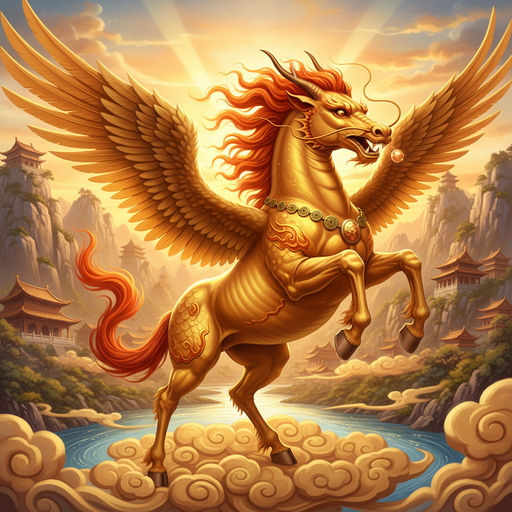
What other Spring Festival customs do you know? Wishing everyone a happy family reunion and a prosperous Year of the Horse!