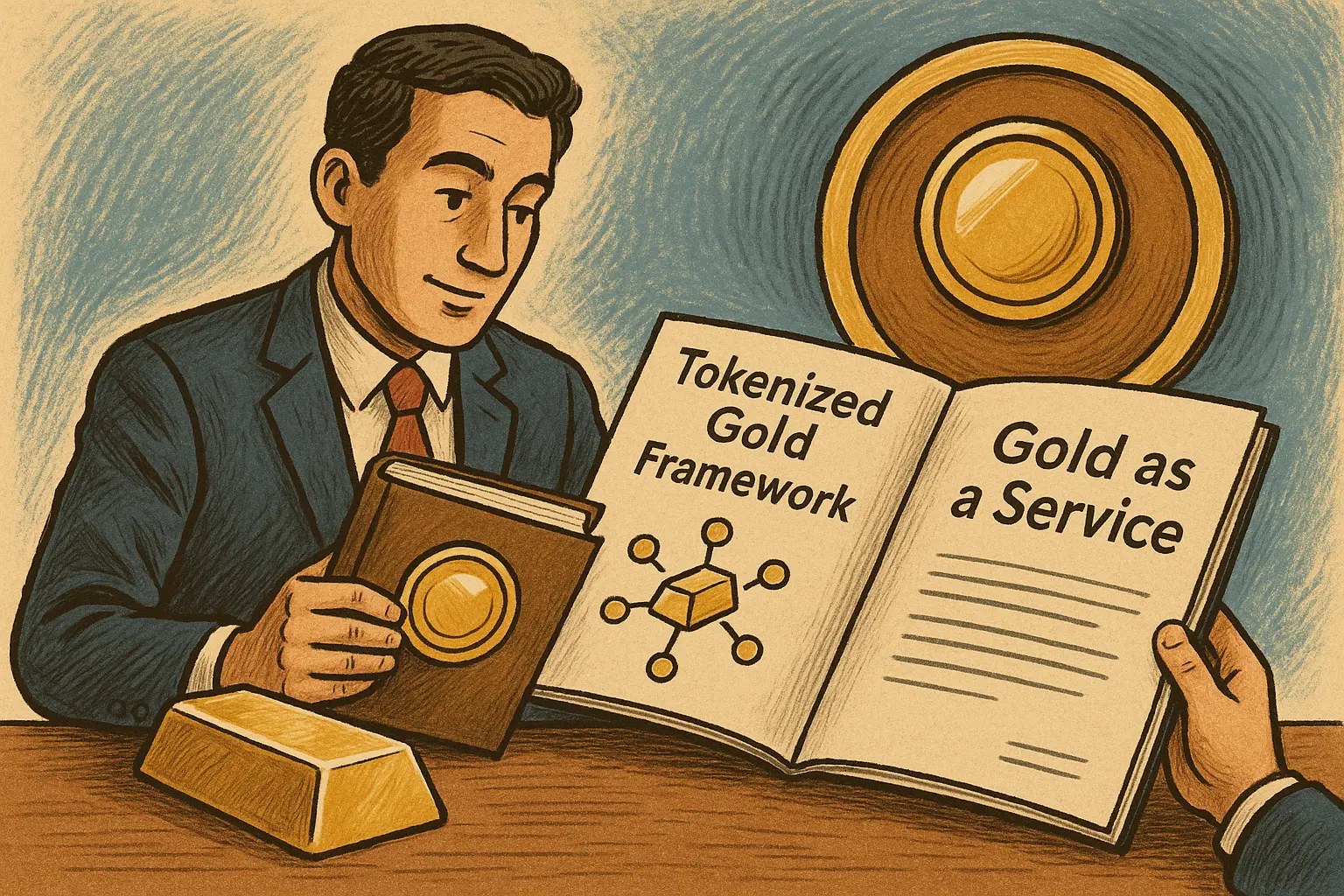
The World Gold Council (WGC) and Boston Consulting Group (BCG) jointly released the “Gold-as-a-Service” white paper on Thursday, proposing an open platform framework aimed at connecting physical gold custody systems with the digital issuance and management infrastructure of tokenized gold products, establishing industry-wide standards for institutional adoption.
Gold-as-a-Service: Design Logic of the Open Platform Framework
The platform framework released by the World Gold Council does not fill a market gap but rather a standards gap. BCG Managing Director and Senior Partner Mattias Tauber directly states the core: “The question is no longer whether gold will be digitized; but how gold can participate in the modern financial system without compromising its physical integrity.”
The CEO of the World Gold Council, David Tate, points out that the financial services industry is undergoing a “rapid and widespread digital transformation,” and gold must evolve accordingly. “Shared infrastructure can make gold more accessible, easier to trade, and fully integrated into the modern financial ecosystem—ensuring it remains as significant as it has been for thousands of years.”
Six Core Functions of the Gold-as-a-Service Platform
- Standardized Token Issuance and Management: Unify token structures from different issuers to reduce market fragmentation.
- Enhanced Interoperability of Digital Gold: Enable tokens issued on different platforms to circulate among each other.
- Embedded Audit and Assurance Mechanisms: Improve transparency and verifiability of on-chain gold reserves.
- Interoperability with Existing Financial Channels: Connect traditional financial systems with decentralized finance ecosystems.
- Regulatory Custody Coordination and Reconciliation Processes: Reduce operational complexity involving multiple parties.
- Improved Liquidity in Lending Markets: Make tokenized gold a more efficient collateral asset.
Impact of the World Gold Council Framework on the Existing Tokenized Gold Market
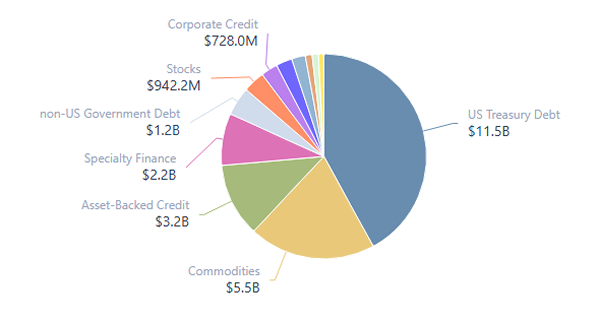 (Source: RWA.xyz)
There are already crypto-native tokenized gold products in the market, including Tether Gold (XAUT) and Pax Gold (PAXG), each with its own custody, compliance, and redemption models. According to CoinGecko data, Tether Gold has a market cap of about $2.6 billion, with a 17% increase over the past 12 months; Pax Gold’s market cap is approximately $2.3 billion.
The significance of the World Gold Council’s framework lies in its industry standing. For traditional financial institutions seeking to allocate to gold assets, a unified standard endorsed by an industry association can significantly reduce compliance assessment costs and help mainstream asset managers formally include tokenized gold in their portfolios.
Tokenized Gold Market Overview: $5.5 Billion Scale and Driving Factors
The surge in global gold demand is the core driver behind the rapid growth of the tokenized gold market. Amid geopolitical tensions, rising inflation expectations, and a weakening dollar, gold’s status as a safe-haven asset continues to strengthen. Tokenized forms allow institutional and retail investors to access physical gold exposure with lower barriers and higher flexibility, serving as an important supplement beyond traditional gold ETFs.
The timing of the World Gold Council’s framework development coincides with the rapid expansion of the tokenized commodities market, where industry standards are still ununified. This move could accelerate the timeline for institutional capital to formally enter the tokenized gold space.
Frequently Asked Questions
What exactly is the World Gold Council’s “Gold-as-a-Service” framework?
“Gold-as-a-Service” is an open platform framework jointly proposed by the World Gold Council and BCG. Its core goal is to connect physical gold custody systems with the digital issuance and management infrastructure of tokenized gold products, establishing industry-wide standards covering token issuance regulations, interoperability enhancement, embedded audit mechanisms, and liquidity improvement in lending markets.
How does the World Gold Council’s framework differ from existing products like Tether Gold and Pax Gold?
Tether Gold and Pax Gold are crypto-native products with their own independent operation models. The World Gold Council’s framework aims to establish industry-wide unified standards, and its institutional credibility could make it easier for traditional financial institutions to adopt, providing a more systemic influence on the institutional recognition of tokenized gold.
What is the current market size of tokenized gold?
According to RWA.xyz data, the on-chain scale of tokenized commodities (primarily gold) is about $5.5 billion, accounting for 20% of the total tokenized real-world assets. It has grown by 340% over the past 12 months, making it one of the fastest-growing segments among tokenized assets. The combined market cap of Tether Gold and Pax Gold exceeds $4.9 billion.
Disclaimer: The information on this page may come from third parties and does not represent the views or opinions of Gate. The content displayed on this page is for reference only and does not constitute any financial, investment, or legal advice. Gate does not guarantee the accuracy or completeness of the information and shall not be liable for any losses arising from the use of this information. Virtual asset investments carry high risks and are subject to significant price volatility. You may lose all of your invested principal. Please fully understand the relevant risks and make prudent decisions based on your own financial situation and risk tolerance. For details, please refer to
Disclaimer.


