
Vietnam Plans to Restrict Overseas Crypto Platforms, Promote Domestic Regulated Exchanges with a 0.1% Transaction Tax, Bringing a $200 Billion Market into the Regulatory and Tax System.
According to Reuters, the Vietnamese government is changing its cryptocurrency regulation strategy, planning to limit citizens’ use of overseas trading platforms and promote pilot programs for compliant domestic exchanges, gradually integrating these markets into the national financial regulation and tax system.
Vietnam Government to Block Capital Outflows, Proposes Ban on Overseas Crypto Platforms
Based on Chainalysis data, Vietnam ranks fourth globally in cryptocurrency adoption index, with an estimated trading volume of $200 billion in the past year. Currently, most Vietnamese investors trade crypto assets through overseas platforms like Binance, OKX, and Bybit. To control capital outflows, the Ministry of Finance is drafting new regulations to prohibit domestic users from accessing overseas platforms, aiming to direct trading activities into domestically regulated environments.
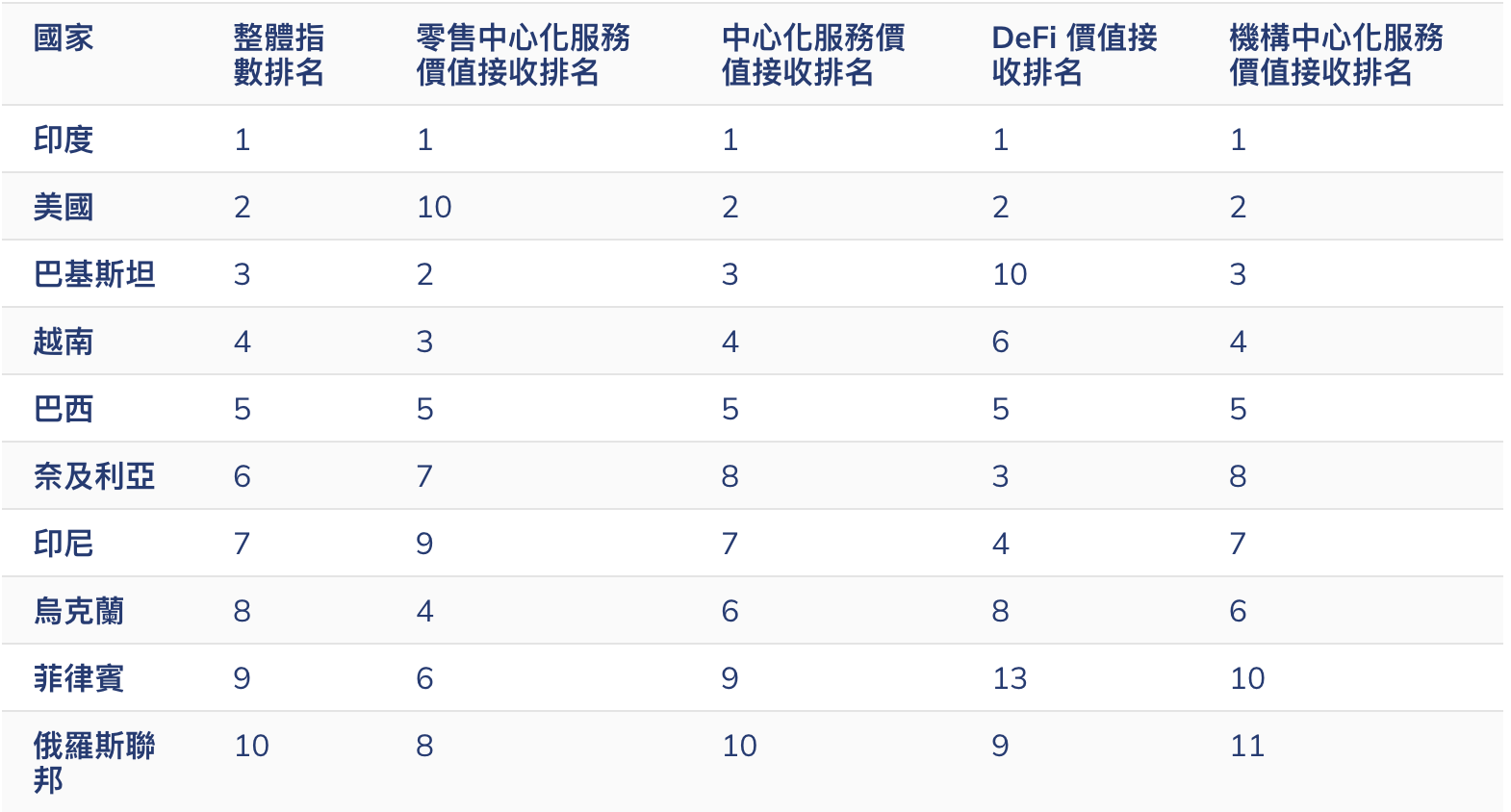
Image source: Chain News, 2025 Global Cryptocurrency Adoption Index
Promoting Localized Trading, Five Major Companies Selected for Pilot Program
According to Reuters, five large companies have passed preliminary review and are preparing to participate in the domestic crypto exchange pilot program. The list includes Techcombank, VPBank, LPBank, VIX Securities, and Sun Group-related enterprises. The plan requires operators to have approximately $379 million in capital, restrict trading to Vietnamese dong only, and ban stablecoins pegged to fiat currencies.
Draft Cryptocurrency Taxation Framework: Retail Investors to Pay 0.1% Transaction Tax
While promoting compliant platforms, the Vietnamese government is also establishing a tax framework. A draft proposed in February defines digital assets as property and taxes them similarly to securities transactions. In the future, retail investors will trade through licensed institutions, with each transaction subject to a 0.1% tax, exempt from VAT. Institutional investors will pay 20% corporate income tax on profits after deducting costs.
International Exchanges Face Impact, Investor Behavior Key to Regulation Effectiveness
If implemented, this policy could lead to significant market share loss for international exchanges, while domestically licensed institutions would gain a competitive advantage. However, many investors are accustomed to cross-border trading. Whether they will comply with the policy and shift to domestic exchanges or continue using overseas platforms via VPN will be a key factor in the policy’s success.
- This article is reprinted with permission from Chain News
- Original title: Vietnam Plans to Ban Overseas Crypto Exchanges, Promote Domestic Platforms and New Tax System
- Original author: Co2
Disclaimer: The information on this page may come from third parties and does not represent the views or opinions of Gate. The content displayed on this page is for reference only and does not constitute any financial, investment, or legal advice. Gate does not guarantee the accuracy or completeness of the information and shall not be liable for any losses arising from the use of this information. Virtual asset investments carry high risks and are subject to significant price volatility. You may lose all of your invested principal. Please fully understand the relevant risks and make prudent decisions based on your own financial situation and risk tolerance. For details, please refer to
Disclaimer.


