
Solana President flatly states that blockchain gaming is unlikely to recover, with GameFi market cap shrinking to $2.12 billion, shifting industry focus from main narrative to infrastructure positioning.
Solana Executives Clearly Say GameFi Is Out, Contrasting with Meta’s Failed Metaverse
Lily Liu, President of the Solana Foundation, recently made strong remarks on social platform X, stating, “Blockchain gaming will not come back,” drawing significant market attention. This statement is seen as a direct negation of the past years’ GameFi boom and reflects a clear loss of confidence in the industry.
Liu’s comments are rooted in the failure of Meta’s metaverse project. The company invested about $80 billion to build a virtual world but ultimately failed to attract enough users, resulting in a tepid market response. Although Meta did not directly adopt blockchain technology, its vision of an open digital universe closely resembles the Web3 gaming concept, often leading to discussions placing both in the same context.
Against this backdrop, Liu equates blockchain gaming with the metaverse, believing neither has met market expectations, summarizing their future prospects with “won’t come back.” This stance is also seen as a cut from Solana’s leadership to previous narratives.
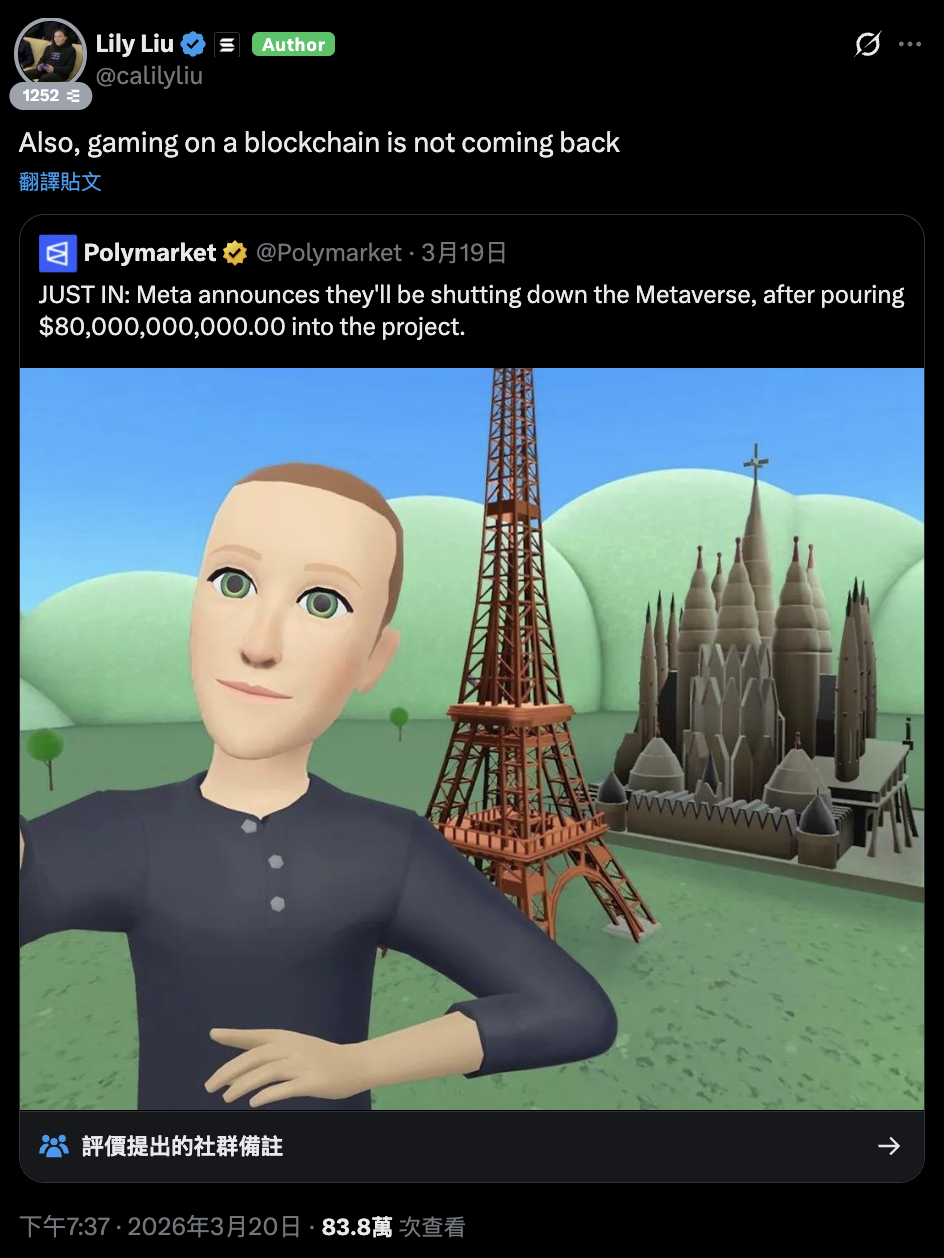
Image source: X/@calilyliu Solana Foundation President Lily Liu recently made strong remarks, stating, “Blockchain gaming will not come back,” attracting high market attention.
Play-to-Earn Bubble Burst, Billions of Dollars Failed to Attract Users and Content
Blockchain games peaked in 2021, with the Play-to-Earn (P2E) model rapidly gaining global attention. Major investment firms like a16z and Animoca Brands poured billions of dollars into creating a new gaming economy.
However, the hype did not last. Many games relied on issuing new tokens as rewards, leading to inflation and price crashes, making their economic models unsustainable. The once-popular Axie Infinity token $AXS saw its price drop about 67.7% within a year, and the overall GameFi market cap shrank significantly.
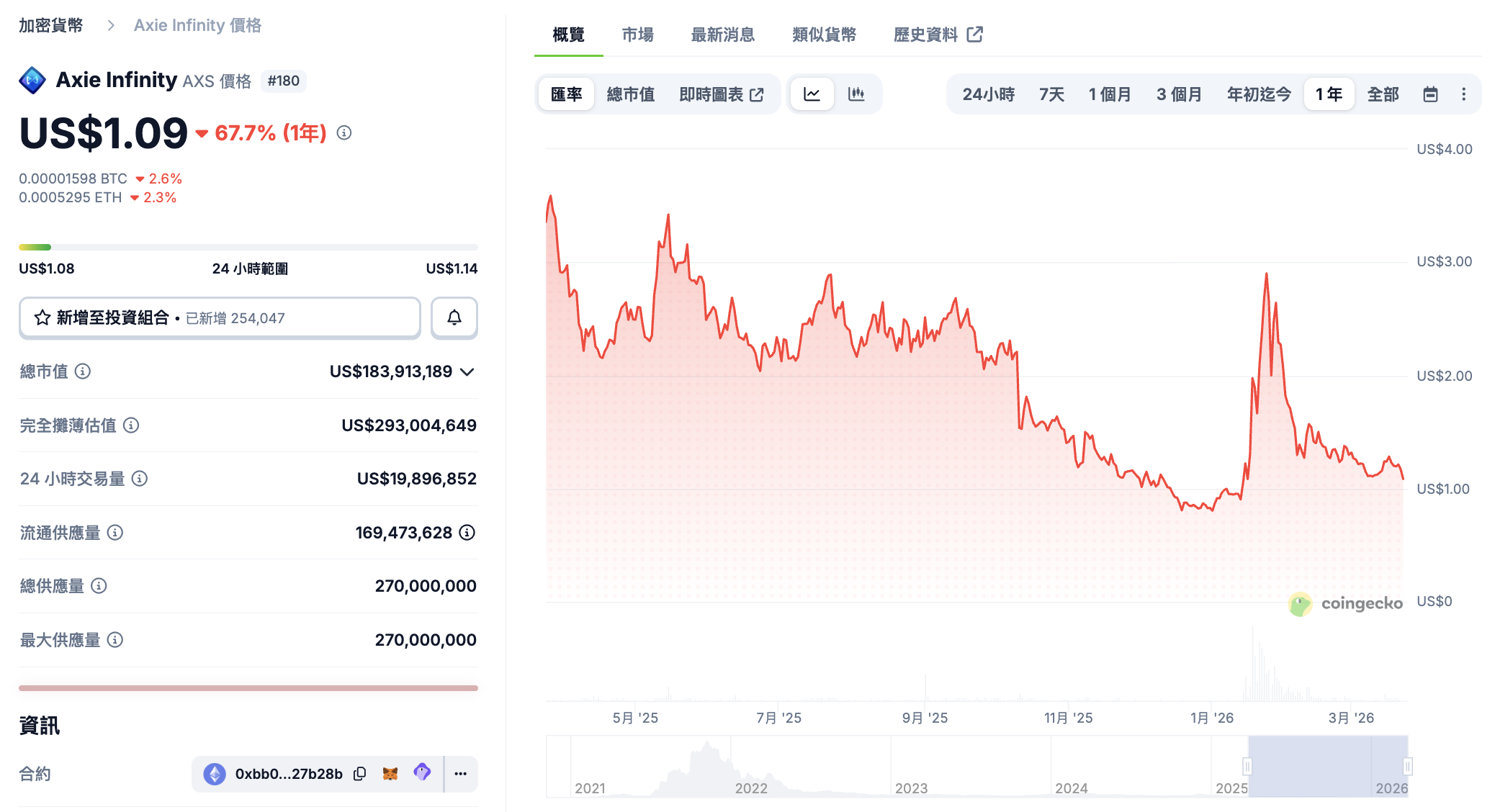
Image source: CoinGecko The once-popular Axie Infinity token $AXS declined about 67.7% in one year.
Currently, the total market cap of existing blockchain game tokens is around $2.12 billion, mainly concentrated in projects like $FLOKI and $SAND. Many NFT games and virtual land projects that promised high returns ultimately failed to deliver, eroding investor and player confidence. This development prompts the industry to reconsider whether the so-called “game + finance” integration has been a deviation from the core gaming experience from the start.
Technology Still Exists, but Demand Is Low; Solana Ecosystem Continues Development
Despite Lily Liu’s pessimism about blockchain gaming’s future, development within the Solana ecosystem persists. Currently, about 88 games are active on the network, including notable projects like Star Atlas and StepN.
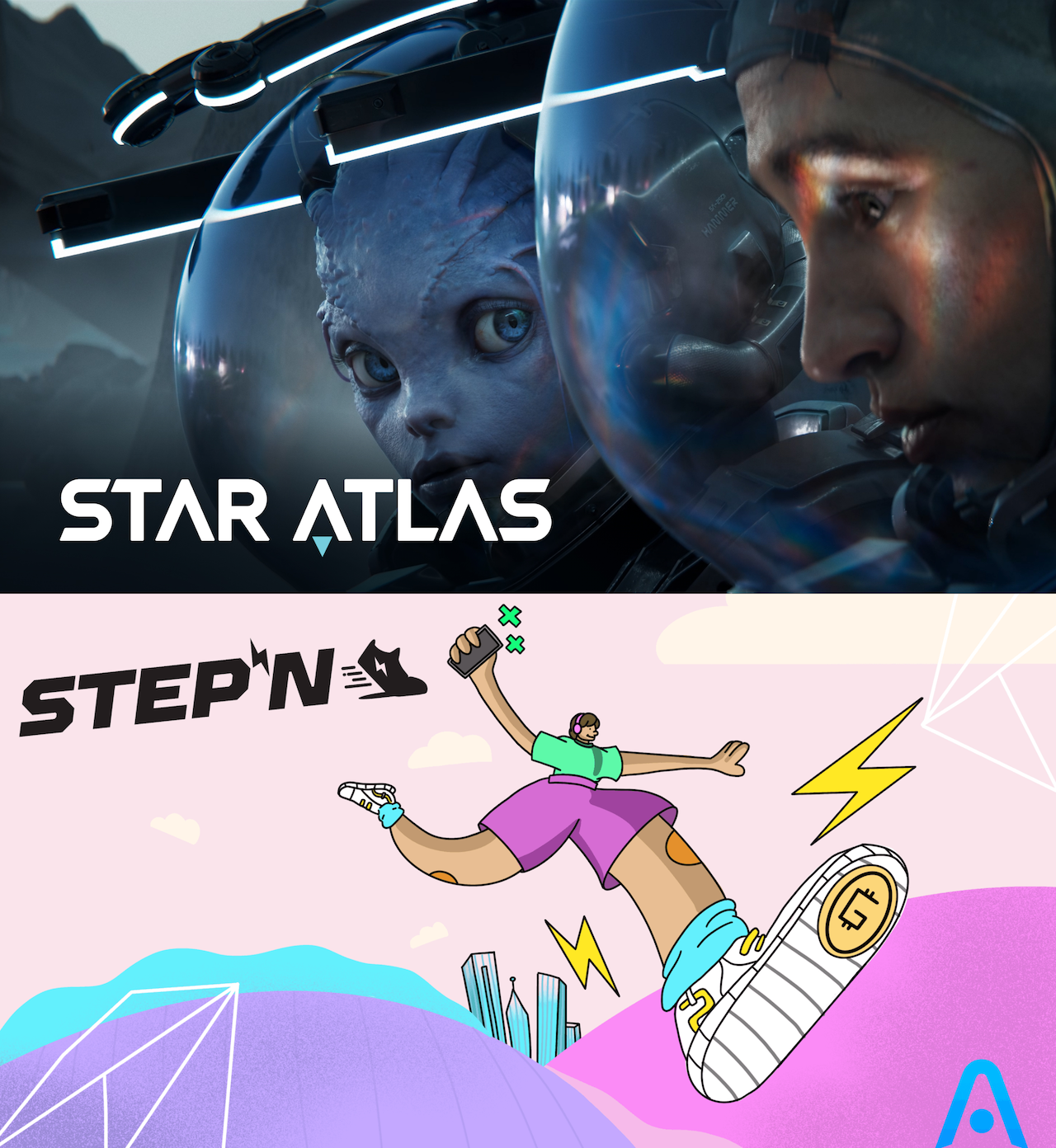
Image source: Getty Images Star Atlas and StepN were once well-known projects on Solana.
Known for high performance and low transaction fees, Solana was considered one of the most suitable blockchains for hosting blockchain games. Its technical features support real-time interaction and high-frequency trading, overcoming Ethereum’s past bottlenecks in gaming applications. However, these technical advantages have not translated into a large user base. Most players remain uninterested in blockchain elements and even resent previous tokenomics models.
Some developers are adjusting strategies, such as Gunzilla Games’ “Off the Grid,” which allows players to enjoy the game without engaging with NFTs or blockchain features. Mythical Games also pointed out that the true value lies in the game itself, not the underlying technology.
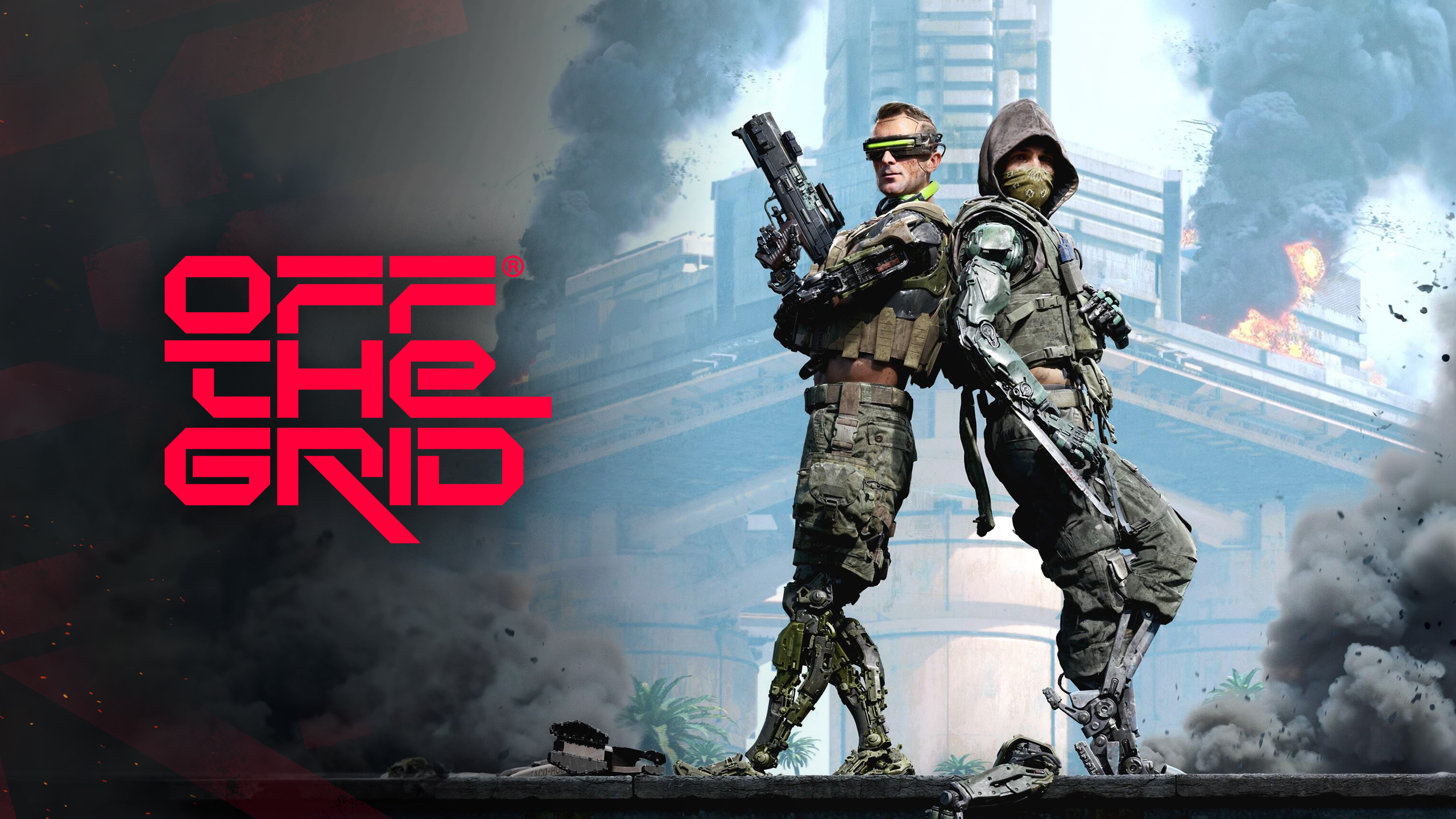
Image source: Steam Gunzilla Games’ “Off the Grid” allows players to enjoy the game without engaging with NFTs or blockchain features.
Industry Reflection: Blockchain May Shift to a Supporting Role
Liu’s remarks have sparked mixed reactions in the community. Some game developers believe that if “blockchain games” refer to products lacking content and relying solely on token incentives, such models should not return to the market. Others argue that blockchain itself is not the problem; rather, the over-reliance on financialization in past products, neglecting gameplay experience, led to market collapse.
A growing consensus is emerging that blockchain technology may no longer serve as the core selling point of games but instead as infrastructure providing asset management or trading functions. The trajectories of Meta’s metaverse and GameFi show that capital and technology alone cannot create long-term appeal. As the market cools, the future positioning of blockchain games is shifting from protagonists to supporting roles.
This article is a compilation of information from Crypto Agent, edited and reviewed by Crypto City. It is still in training, and may contain logical errors or inaccuracies. Content is for reference only and should not be considered investment advice.
Disclaimer: The information on this page may come from third parties and does not represent the views or opinions of Gate. The content displayed on this page is for reference only and does not constitute any financial, investment, or legal advice. Gate does not guarantee the accuracy or completeness of the information and shall not be liable for any losses arising from the use of this information. Virtual asset investments carry high risks and are subject to significant price volatility. You may lose all of your invested principal. Please fully understand the relevant risks and make prudent decisions based on your own financial situation and risk tolerance. For details, please refer to
Disclaimer.


