Something strange just happened in the markets. In the middle of an escalating war in the Middle East, gold and silver did the exact opposite of what they are supposed to do. They crashed.
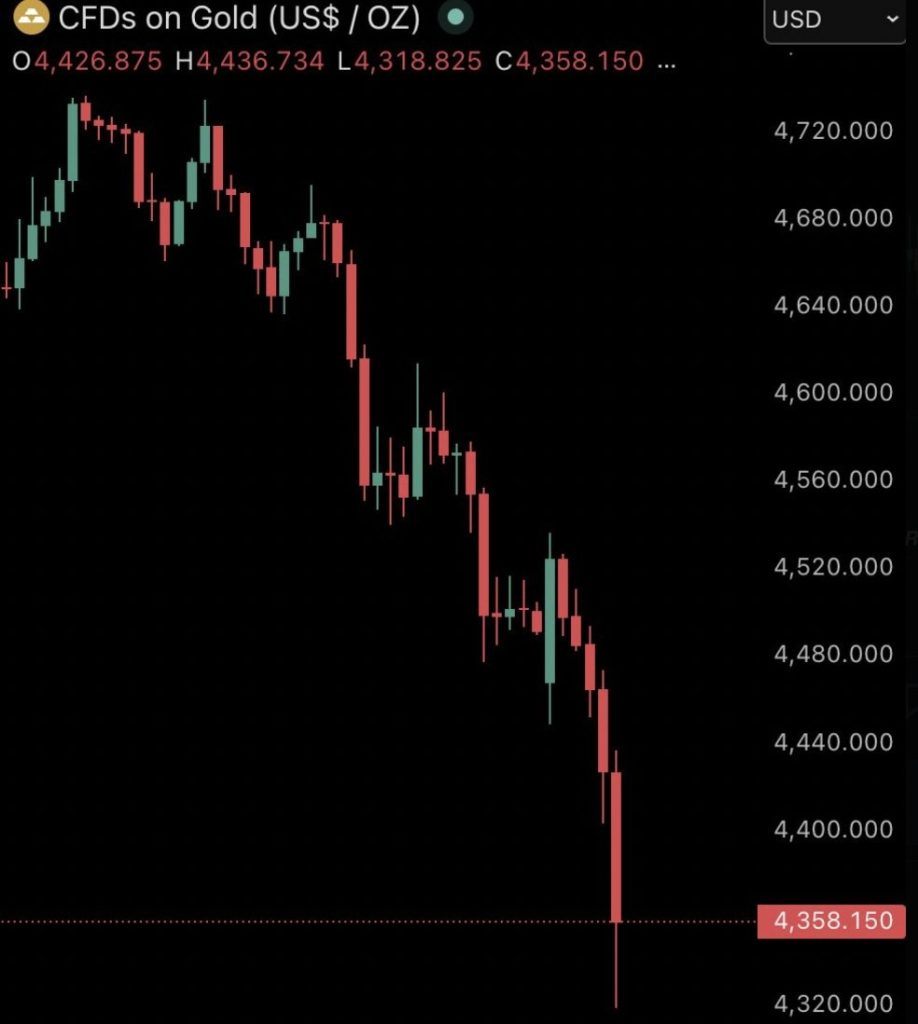
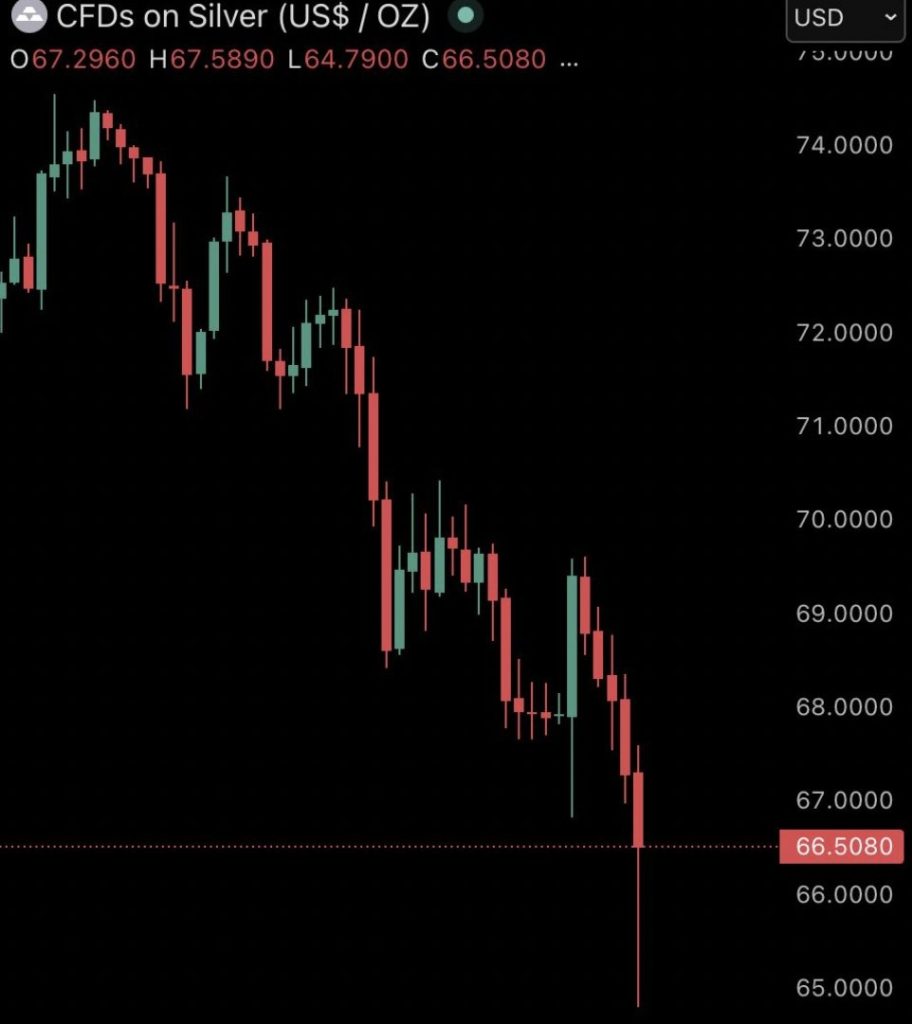
In just a few hours, everything flipped. The Gold price dropped fast from $4,720 down to around $4,318, losing about $400 almost instantly. Silver didn’t hold up either, sliding from $75 to $64, which is a pretty steep fall.
This is a total decline of about $2 trillion in just three hours from two assets which people go to when in a crisis.
Let that sink in for a moment. This is not happening during a quiet trading session. This is happening while Israel is launching wide-scale strikes across Tehran, while Iran is firing ballistic missiles at Saudi Arabia, while the IEA chief is saying this situation is worse than both 1970s oil crises combined.
Over 40 energy assets across the Middle East have been destroyed. Iran has even threatened to cut undersea internet cables and destroy Gulf desalination plants.
By every rule of market history, gold and silver should be soaring right now. They are the ultimate safe havens. When geopolitical tensions flare, investors run to them. That is how it always works. So what is really happening?
- What the Gold and Silver Charts are Showing
- Someone Is Raising Emergency Cash
- What Comes Next?
What the Gold and Silver Charts are Showing
Let us look at what actually happened on the charts. The gold chart shows a red candle that sliced straight through support levels.
You can see the gold price peaked near $4,720 before getting rejected hard, tumbling down to a low of $4,318 before closing around $4,358. That is not normal volatility. That is the kind of move you see when someone is selling in a panic, not when investors are seeking safety.
Source: X/Limitless
The silver chart tells a similar story. After hovering around the $67 to $68 range, silver spiked briefly to $67.58 before getting slammed all the way down to $64.79.
The candle closed near $66.50, but the damage was done. A 14% drop in a matter of hours for a precious metal is not a natural market move. It is a forced move, the kind that happens when big players need cash immediately.
Source: X/Limitless
Someone Is Raising Emergency Cash
When gold and silver crash during a war, it usually means one thing. Someone with huge capital is liquidating safe-haven assets to cover losses somewhere else. And that somewhere else is likely the stock market.
Here is the pattern that experienced traders recognize. The Gold price crashes because institutions need emergency cash. They sell their most liquid holdings, gold, silver, and other safe havens, to raise liquidity before things get worse. Those margin calls are likely coming Monday when the stock market opens.
_****Analyst Says Hedera (HBAR) Is Worth Watching Again – Here’s the Reason**
If you look at what else happened, the pieces start to fit together. Oil prices erased their gains on the same day, in the middle of a war when oil should be spiking.
U.S. futures are sitting nearly green while Tehran is being bombed. And insiders have been dumping stocks all week. Data shows 108 sells and zero buys, billions of dollars in stock liquidated before Monday’s open.
The media is telling you that markets are stabilizing and futures are recovering. What they are not showing you is that $2 trillion in safe-haven assets just evaporated in three hours. That does not happen unless institutions are scrambling for cash.
What Comes Next?
If the war is escalating, why is gold crashing? If markets are safe, why did insiders sell everything last week? If this is normal, why has this never happened before during an active military conflict?
The silence around these questions is telling. Here is what the pattern suggests. The Gold price crashes because institutions are raising cash. Margin calls are coming. Monday opens red. Panic selling begins. And the same institutions that dumped gold at $4,700 will likely buy it back at $5,000 or higher when the real crash hits the stock market.
This is not a dip to buy blindly. This is the smart money bracing for impact. When gold and silver break the rules of war like this, it is worth paying attention. Something is really happening beneath the surface, and Monday could reveal just how deep the trouble really runs.
Disclaimer: The information on this page may come from third parties and does not represent the views or opinions of Gate. The content displayed on this page is for reference only and does not constitute any financial, investment, or legal advice. Gate does not guarantee the accuracy or completeness of the information and shall not be liable for any losses arising from the use of this information. Virtual asset investments carry high risks and are subject to significant price volatility. You may lose all of your invested principal. Please fully understand the relevant risks and make prudent decisions based on your own financial situation and risk tolerance. For details, please refer to
Disclaimer.


