
Pi Network has officially launched the second wave of token migration, allowing users to transfer more Pi coins from the test environment to the mainnet and complete the Protocol 20 node upgrade. Cryptocurrency analyst Dr. Altcoin pointed out in a widely circulated community analysis that, for example, early miners holding 21,000 Pi, if the token price reaches $3 per coin, could have a potential valuation of $63,000.
Eligibility Requirements and Recommended Reward Mechanism for the Second Migration
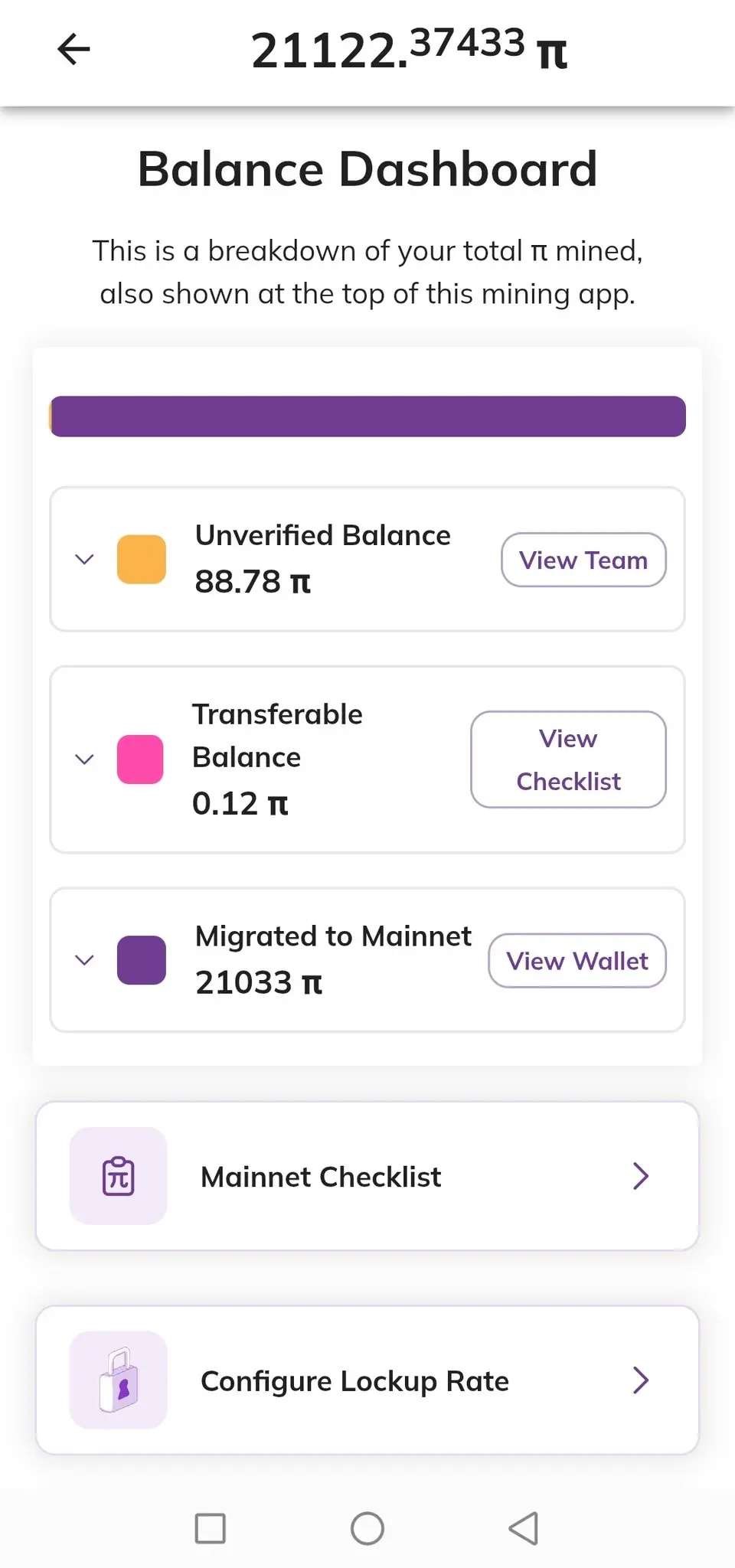 (Source: X)
According to Pi Network announcement, the prerequisite for completing the second migration is to pass the wallet two-factor authentication (2FA) in the third step of the mainnet checklist. The process may involve linking a trusted email address. Pi Network explicitly states that two-factor authentication is mandatory and not optional. Due to the irreversible nature of blockchain transactions, this security measure will serve as a strict threshold for all migration processes.
Regarding mining rewards, the second migration will include the cumulative recommended miner rewards from history, but only members who have completed KYC verification can be counted. Pi Network urges early users to remind their network members to complete KYC before the verification window closes to avoid missing the migration eligibility.
The core requirements for participating in the second migration are as follows:
-
Wallet 2FA Verification: Completed in the third step of the mainnet checklist, possibly involving linking a trusted email address
-
KYC Verification: Both the user and the recommended member must complete this to unlock the accumulated recommended mining rewards
-
Migration Time Window: The specific deadline has not yet been announced. Pi Network recommends users complete preparations as early as possible
Analyst’s Valuation Scenarios: Three Price Conditions
Dr. Altcoin used an example of an early user who accumulated about 21,000 Pi through years of free mining, presenting valuation estimates under three different price scenarios: approximately $4,200 at the current market price; $21,000 if Pi reaches $1 per coin; and $63,000 if it reaches $3 per coin.
Dr. Altcoin stated: “Free crypto mining isn’t just about clicking to earn; if you participate early and persist, it can truly change your life.” The above calculations are hypothetical estimates. The actual market performance of Pi tokens depends on supply and demand, tokenomics, and overall market conditions, and may differ significantly from these estimates.
Since its launch in 2020, Pi Network has experienced long-term polarized market evaluations. Supporters have maintained high community engagement over the years, while critics continue to question its development timeline and long-term sustainability of its token economy. As the mainnet token migration enters the implementation phase, the theoretical framework built over the years is gradually being tested against market realities.
Frequently Asked Questions
Q: What are the eligibility requirements for participating in Pi Network’s second migration?
A: Users must complete wallet two-factor authentication (2FA) in the third step of the mainnet checklist, which is mandatory. To include recommended mining rewards in the migration, the recommended members must also complete KYC verification. Pi Network advises users to complete these steps early before the window closes.
Q: How should the potential valuation of early miners’ Pi holdings be interpreted?
A: According to analyst Dr. Altcoin’s scenario calculations, early miners holding 21,000 Pi, assuming prices between $1 and $3, have a valuation ranging from $21,000 to $63,000. These are scenario estimates, not price predictions. Investors should assess the associated risks independently.
Q: What are the specific differences between the second and first migrations?
A: The second migration allows for transferring more Pi tokens and introduces a new distribution mechanism for the accumulated recommended mining rewards (limited to KYC-verified recommended members). Both migrations will proceed concurrently. Users who have not completed the first migration can do so simultaneously and do not need to wait for the second round to open separately.
Disclaimer: The information on this page may come from third parties and does not represent the views or opinions of Gate. The content displayed on this page is for reference only and does not constitute any financial, investment, or legal advice. Gate does not guarantee the accuracy or completeness of the information and shall not be liable for any losses arising from the use of this information. Virtual asset investments carry high risks and are subject to significant price volatility. You may lose all of your invested principal. Please fully understand the relevant risks and make prudent decisions based on your own financial situation and risk tolerance. For details, please refer to
Disclaimer.


