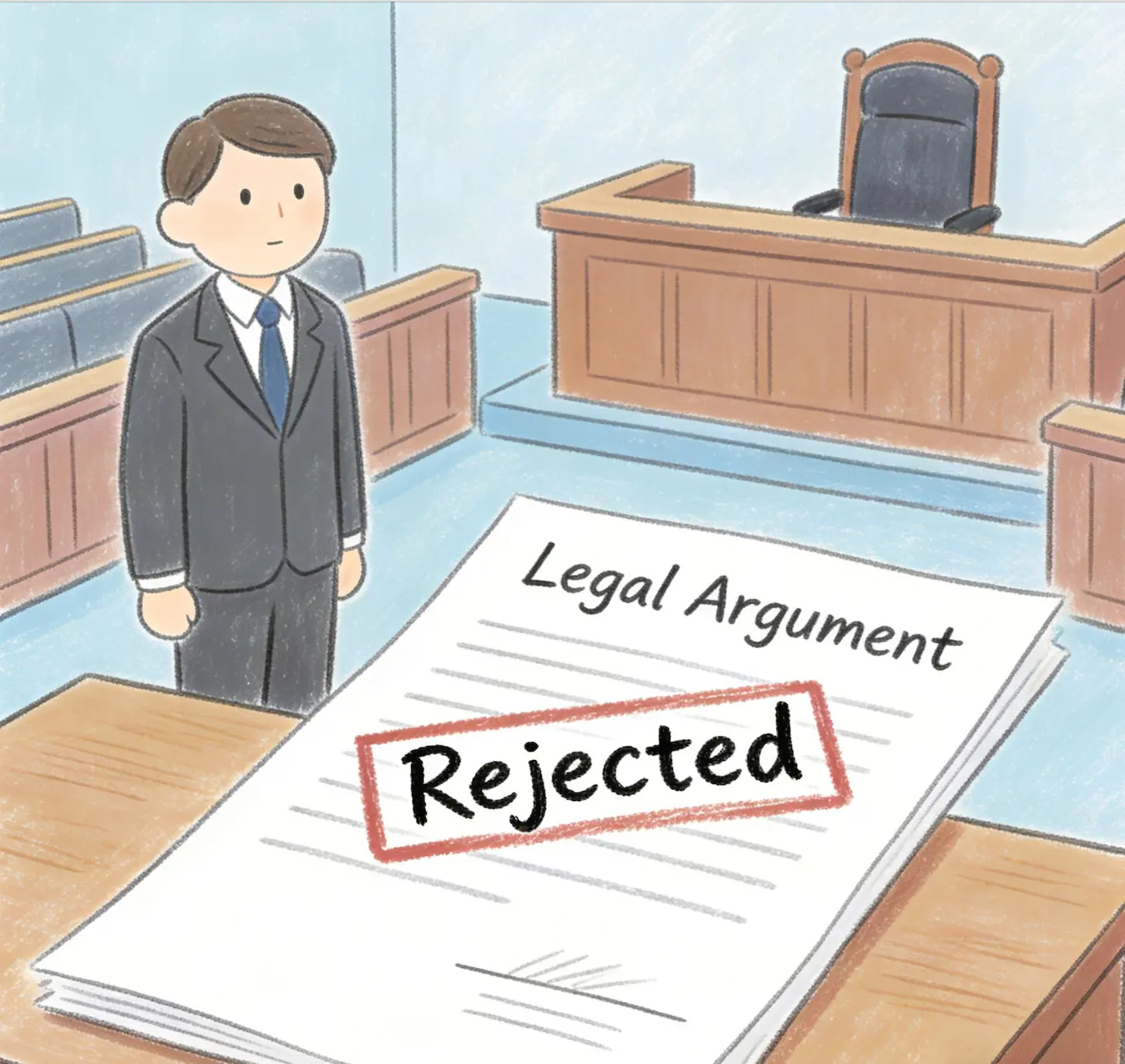
 The U.S. Department of Justice on April 7, 2026 rejected Tornado Cash developer Roman Storm’s argument that a recent Supreme Court ruling should lead to dismissal of his criminal case, stating the civil copyright decision has “no relevance” to charges of money laundering and sanctions evasion.
Prosecutors are pushing for a retrial after a Manhattan jury convicted Storm of operating an illegal money transmitter last summer but failed to reach verdicts on two other counts, highlighting tensions between the Trump administration’s pro‑crypto stance and its continued prosecution of software developers.
DOJ Says Supreme Court Precedent Does Not Apply
Storm’s attorneys filed a letter on April 2, 2026 arguing that the Supreme Court’s unanimous March 25 ruling in Cox Communications v. Sony Music should support dismissal. In that case, the Court held that Cox, a major internet service provider, could not be held liable for its customers’ illegal music streaming because mere knowledge of potential misuse does not establish criminal intent. Storm’s defense drew a parallel between internet service providers and decentralized protocols like Tornado Cash, arguing that providing a neutral tool with legitimate uses does not make a developer criminally liable.
In a blunt three‑page response on April 7, federal prosecutors for the Southern District of New York rejected that comparison. They argued that Cox involved civil copyright liability, not criminal charges, and that the facts of the two cases are fundamentally different. “The defendant’s conduct simply is not comparable to the conduct at issue in Cox,” the DOJ wrote. “In any event, a civil copyright case has no relevance here in the first place.”
Prosecutors Allege Storm Had Personal Knowledge of Misconduct
The DOJ distinguished Cox’s behavior from Storm’s alleged conduct. Cox had policies to discourage copyright infringement and ended most identified misconduct, and its internet service could be used for many lawful purposes. In contrast, prosecutors alleged that Storm was personally aware of Tornado Cash users’ illicit activities and did nothing to stop it.
The DOJ further claimed there is no evidence that a crypto privacy service like Tornado Cash was capable of “substantial or commercially significant” noncriminal uses. That assertion is likely to anger privacy advocates who argue that all digital asset users have a right to keep financial transactions private.
Retrial Set After Hung Jury on Two Counts
Storm was arrested and charged in 2023 for operating Tornado Cash, an Ethereum‑based coin mixing service that allowed users to obscure blockchain transactions. Prosecutors alleged Storm knew that bad actors, including North Korean hacking groups, were using the service to launder money. Last summer, a Manhattan jury found Storm guilty of operating an illegal money transmitter but deadlocked on two other charges: conspiracy to commit money laundering and conspiracy to commit sanctions evasion. Storm appealed the conviction. Last month, the Trump DOJ filed to retry him on the two unresolved counts.
Tension Between Pro‑Crypto Rhetoric and Enforcement
The DOJ’s push to retry Storm highlights a contradiction within the Trump administration’s crypto policy. The administration has adopted an aggressively pro‑crypto agenda, and last year the DOJ pledged to stop prosecuting crypto privacy software developers. Yet federal prosecutors have sent multiple such developers to prison in the interim, causing concern among leading privacy advocates.
The outcome of Storm’s case could set a significant precedent for how courts interpret intent and responsibility in decentralized systems. A ruling in favor of the defense might reinforce protections for open‑source developers. A decision aligned with the government’s position could expand liability, reshaping how decentralized protocols are designed and operated.
FAQ
What is the legal argument Roman Storm’s defense made based on the Supreme Court ruling?
Storm’s attorneys argued that the Supreme Court’s decision in Cox Communications v. Sony Music—which held that an internet service provider cannot be held liable for customers’ illegal actions based on mere knowledge—should apply to his case. They contend that Tornado Cash was a neutral privacy tool and that Storm should not be criminally liable for how others used it.
Why did the DOJ reject that argument?
Prosecutors said the Cox case dealt with civil copyright liability, not criminal charges. They also argued that Cox actively discouraged misuse, while Storm allegedly knew of illegal activity and did nothing to stop it. The DOJ further claimed Tornado Cash lacked substantial legitimate uses.
What charges does Roman Storm still face?
Storm was convicted of operating an illegal money transmitter but the jury deadlocked on charges of conspiracy to commit money laundering and conspiracy to commit sanctions evasion. The DOJ is seeking a retrial on those two counts. His appeal of the conviction is pending.
Disclaimer: The information on this page may come from third parties and does not represent the views or opinions of Gate. The content displayed on this page is for reference only and does not constitute any financial, investment, or legal advice. Gate does not guarantee the accuracy or completeness of the information and shall not be liable for any losses arising from the use of this information. Virtual asset investments carry high risks and are subject to significant price volatility. You may lose all of your invested principal. Please fully understand the relevant risks and make prudent decisions based on your own financial situation and risk tolerance. For details, please refer to
Disclaimer.


