Pi Network resumed its mainnet migration activity after a one-week pause. In its latest update, it transferred approximately 30 million Pi tokens from intermediate addresses to wallets associated with users. This transfer falls under the “second migration” phase, prioritizing users who have already completed early-stage processes such as KYC verification and wallet setup. According to the latest data, more than 19 million Pioneer users have completed KYC verification.
Second Migration Mechanism: How Tokens Reach Users’ Wallets From Intermediate Addresses
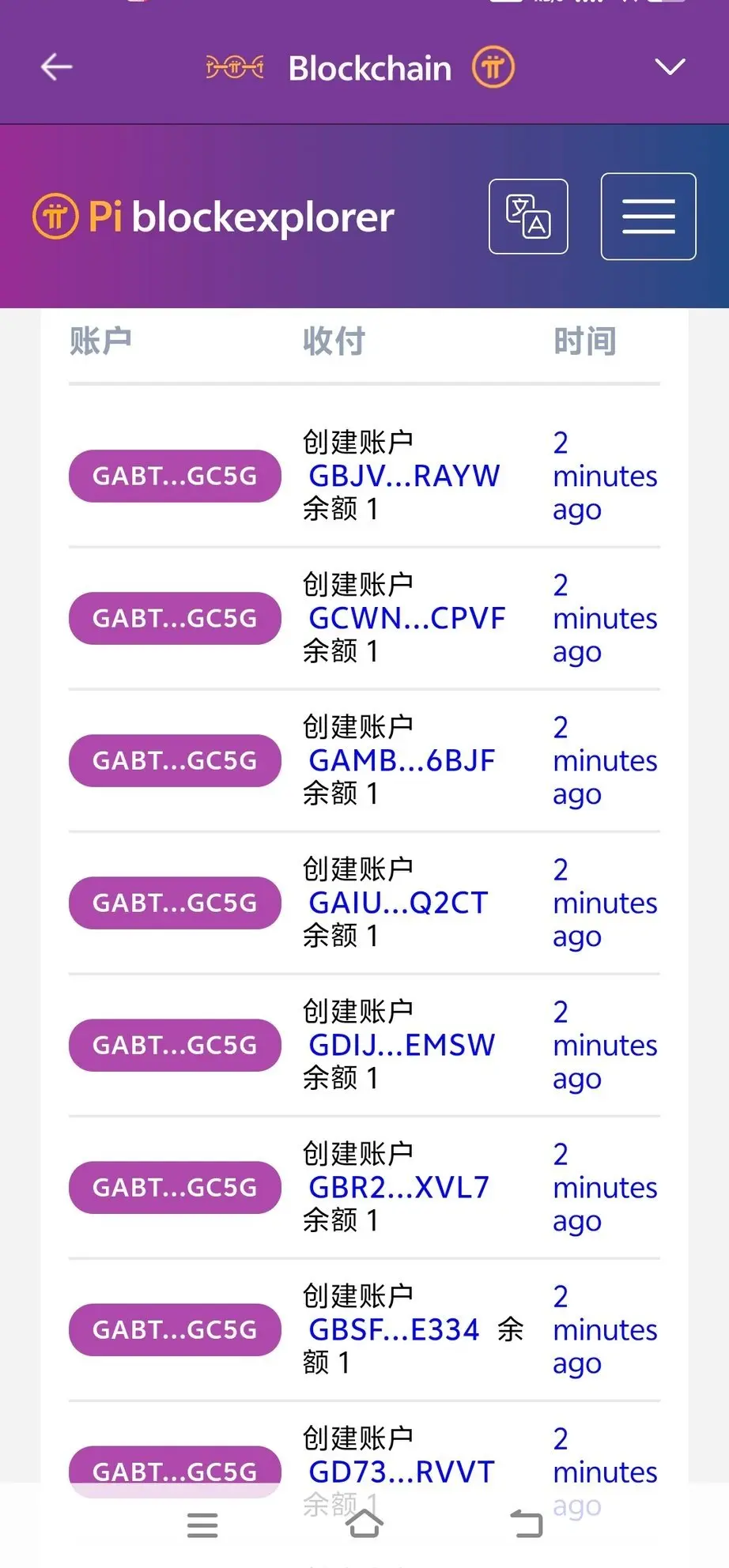 (Source: Pi Blockexplorer)
Pi Network’s migration design uses a batch-by-batch, phase-by-phase execution model. Before tokens are transferred to users’ final wallets, they are first held in intermediate addresses. Only after the system completes verification are they delivered to the final destination. Within a few hours after the restart, approximately 30 million Pi tokens were transferred from intermediate addresses to users’ on-chain wallets. This included a transaction of more than 10,000 Pi, as well as multiple small transfers and the establishment of initial balances for new wallets.
Even if some users do not immediately see changes in their wallet balances, the system continues processing the data in the background. The core team’s processing logic for Pi Network is: prioritize accuracy, rather than sacrificing precision for speed.
Migration Status Overview: Key Progress Data
KYC-verified users: More than 19 million Pioneer users
Users who have completed the mainnet migration: Approximately 12 million
Number of tokens transferred in this round: Approximately 30 million Pi
First batch of task reward confirmations for KYC verifiers: 526 million tasks have been confirmed as distributed
Current migration focus: Second migration, handling remaining balances and pending accounts
The core team has clearly stated that token distribution will continue in stages. All users will complete the migration, but users will not receive tokens simultaneously at the same point in time. Please keep patience as a community.
Wave of Fake Information: Migration Restart Comes With a Surge in False Rumors
As Pi Network’s migration activity resumed, multiple pieces of false information—clarified by the official—also appeared across community channels. Pi Network’s core team has debunked two major types of rumors:
Claims about “node token rewards” have been confirmed as unverified speculation made without official confirmation. At this time, there are no official announcements supporting the existence of such functionality. Regarding rumors about a “seven-layer chakras token system,” community leaders have clearly pointed out that it is misleading and has nothing to do with the real Pi Network project.
The appearance of these fake messages reflects a common scam ecosystem during migrations of high-profile crypto projects— as token distribution becomes increasingly visible, the risk of scams that forge official messages and induce users to take actions rises in parallel.
Frequently Asked Questions
What is Pi Network’s “second migration,” and how is it different from the first migration?
Second migration refers to the subsequent transfer of remaining token balances and pending accounts for users who have completed early-stage processes such as KYC verification and wallet setup. The first migration has already been completed previously. The system is currently prioritizing the distribution of remaining tokens for this group of users who completed their preparations early.
Why is the Pi Network mainnet migration progressing at such a slow pace?
Pi Network adopts a cautious, batch-based execution strategy to reduce the risk of errors occurring during large-scale on-chain migrations. The system continues operating in the background— even if users do not see immediate changes in balances, it does not mean the process has stalled. The core team emphasizes that every user’s tokens will be migrated, but they will not arrive in all accounts simultaneously.
How can you tell official Pi Network updates from fake information?
Official updates are only published through official notifications within the Pi Network app and through community channels that have been officially authenticated. Any messages involving “node token rewards” or complex token distribution mechanisms should be regarded as unverified claims until the official explicitly confirms them. Users should avoid making any actions with their assets due to non-official rumors.
Disclaimer: The information on this page may come from third parties and does not represent the views or opinions of Gate. The content displayed on this page is for reference only and does not constitute any financial, investment, or legal advice. Gate does not guarantee the accuracy or completeness of the information and shall not be liable for any losses arising from the use of this information. Virtual asset investments carry high risks and are subject to significant price volatility. You may lose all of your invested principal. Please fully understand the relevant risks and make prudent decisions based on your own financial situation and risk tolerance. For details, please refer to
Disclaimer.


