

What Do Tom Lee and BitMine See?
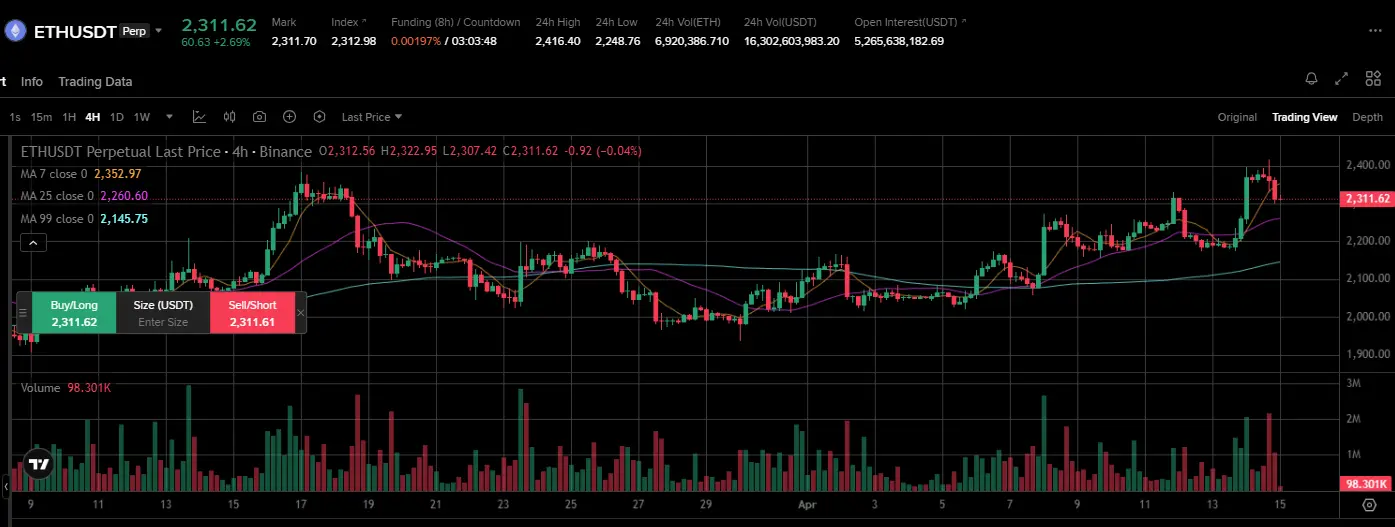
In the crypto markets, the actions of institutional players are often one of the strongest signals, often preceding the price. Recently, BitMine Immersion Technologies, led by Tom Lee, opened a massive position by purchasing 71,524 Ethereum, worth approximately $157 million, raising the question of "why now?" in the market. This move is not a simple investment; it's a clear indication of a multi-layered strategy built on Ethereum.
According to the data, BitMine has entered an aggressive accumulation phase, not only with this transaction but also by regularly purchasing approximately $150 million worth of ETH weekly in recent weeks. The company's total holdings have reached 4.8 million ETH (approximately $10.6–10.7 billion), representing more than 4% of the circulating supply. The target is a critical threshold: 5% of the total supply.
At this point, the “narrative,” or big picture, boils down to a few key points:
1. Ethereum = Yield Asset
BitMine’s strategy isn’t just “buy and hold.” The company aims for approximately $300 million in annual revenue by staking a large portion of its ETH holdings.
This is the most critical difference separating Ethereum from gold or Bitcoin:
ETH = cash flow generating digital asset
BTC = store of value
For institutions, this difference is a game-changer.
2. Taking Positions After the “Mini Crypto Winter”
According to Tom Lee, the market is approaching the end of a small bear cycle, and this period is seen as the “best time to accumulate.” This strategy is classic:
Buy when retail is feared
Grow the position when liquidity returns
BitMine’s aggressive purchases over the last 4 weeks perfectly fit this behavioral pattern.
3. Geopolitical and Macro Narrative (Performance During Wartime)
Lee also emphasizes that Ethereum has outperformed traditional assets during the US-Iran tensions.
It is even stated that ETH:
Significantly outperformed the S&P 500
Even outperformed gold.
This shows that Ethereum is positioned not only as a technology asset but also as a macro asset.
4. The Wall Street + AI + Tokenization Trio
The most critical and long-term narrative is here:
Ethereum is no longer just a blockchain, but is seen as:
Tokenization (RWAs – real-world assets)
Stablecoin infrastructure
Transaction layer of AI agents
According to Tom Lee, this triple demand creates a structural growth story for Ethereum.
5. The “MicroStrategy of Ethereum” Model
BitMine’s strategy is seen as an Ethereum version of Michael Saylor’s Bitcoin approach:
Company balance sheet = crypto assets
Shares = indirect crypto exposure
But this time, there’s an added benefit of staking returns.
This model creates a new financial instrument that could multiply institutional demand for ETH.
While BitMine’s $157 million ETH purchase is significant in itself, the crucial point is that it’s part of a trend. This move tells us:
Ethereum is no longer just an “altcoin”;
it’s becoming a digital bond that generates income,
a financial infrastructure layer,
and a strategic reserve asset that enters institutional balance sheets.
If this trend continues, it seems inevitable that more companies will adopt ETH not just as an investment, but as an active income-generating reserve asset in the coming period.
This raises a single question for Ethereum 🤔
**Is this just a purchase, or the beginning of a new institutional cycle?**
$ETH $ETH
#CryptoMarketsDipSlightly
#AreYouBullishOrBearishToday?
#GateSquareAprilPostingChallenge
In the crypto markets, the actions of institutional players are often one of the strongest signals, often preceding the price. Recently, BitMine Immersion Technologies, led by Tom Lee, opened a massive position by purchasing 71,524 Ethereum, worth approximately $157 million, raising the question of "why now?" in the market. This move is not a simple investment; it's a clear indication of a multi-layered strategy built on Ethereum.
According to the data, BitMine has entered an aggressive accumulation phase, not only with this transaction but also by regularly purchasing approximately $150 million worth of ETH weekly in recent weeks. The company's total holdings have reached 4.8 million ETH (approximately $10.6–10.7 billion), representing more than 4% of the circulating supply. The target is a critical threshold: 5% of the total supply.
At this point, the “narrative,” or big picture, boils down to a few key points:
1. Ethereum = Yield Asset
BitMine’s strategy isn’t just “buy and hold.” The company aims for approximately $300 million in annual revenue by staking a large portion of its ETH holdings.
This is the most critical difference separating Ethereum from gold or Bitcoin:
ETH = cash flow generating digital asset
BTC = store of value
For institutions, this difference is a game-changer.
2. Taking Positions After the “Mini Crypto Winter”
According to Tom Lee, the market is approaching the end of a small bear cycle, and this period is seen as the “best time to accumulate.” This strategy is classic:
Buy when retail is feared
Grow the position when liquidity returns
BitMine’s aggressive purchases over the last 4 weeks perfectly fit this behavioral pattern.
3. Geopolitical and Macro Narrative (Performance During Wartime)
Lee also emphasizes that Ethereum has outperformed traditional assets during the US-Iran tensions.
It is even stated that ETH:
Significantly outperformed the S&P 500
Even outperformed gold.
This shows that Ethereum is positioned not only as a technology asset but also as a macro asset.
4. The Wall Street + AI + Tokenization Trio
The most critical and long-term narrative is here:
Ethereum is no longer just a blockchain, but is seen as:
Tokenization (RWAs – real-world assets)
Stablecoin infrastructure
Transaction layer of AI agents
According to Tom Lee, this triple demand creates a structural growth story for Ethereum.
5. The “MicroStrategy of Ethereum” Model
BitMine’s strategy is seen as an Ethereum version of Michael Saylor’s Bitcoin approach:
Company balance sheet = crypto assets
Shares = indirect crypto exposure
But this time, there’s an added benefit of staking returns.
This model creates a new financial instrument that could multiply institutional demand for ETH.
While BitMine’s $157 million ETH purchase is significant in itself, the crucial point is that it’s part of a trend. This move tells us:
Ethereum is no longer just an “altcoin”;
it’s becoming a digital bond that generates income,
a financial infrastructure layer,
and a strategic reserve asset that enters institutional balance sheets.
If this trend continues, it seems inevitable that more companies will adopt ETH not just as an investment, but as an active income-generating reserve asset in the coming period.
This raises a single question for Ethereum 🤔
**Is this just a purchase, or the beginning of a new institutional cycle?**
$ETH $ETH
#CryptoMarketsDipSlightly
#AreYouBullishOrBearishToday?
#GateSquareAprilPostingChallenge