

Trade
Basic
Futures
Futures
Hundreds of contracts settled in USDT or BTC
Options
HOT
Trade European-style vanilla options
Unified Account
Maximize your capital efficiency
Demo Trading
Futures Kickoff
Get prepared for your futures trading
Futures Events
Participate in events to win generous rewards
Demo Trading
Use virtual funds to experience risk-free trading
Earn
Launch
CandyDrop
Collect candies to earn airdrops
Launchpool
Quick staking, earn potential new tokens
HODLer Airdrop
Hold GT and get massive airdrops for free
Launchpad
Be early to the next big token project
Alpha Points
NEW
Trade on-chain assets and enjoy airdrop rewards!
Futures Points
NEW
Earn futures points and claim airdrop rewards
Investment
Simple Earn
Earn interests with idle tokens
Auto-Invest
Auto-invest on a regular basis
Dual Investment
Buy low and sell high to take profits from price fluctuations
Soft Staking
Earn rewards with flexible staking
Crypto Loan
0 Fees
Pledge one crypto to borrow another
Lending Center
One-stop lending hub
VIP Wealth Hub
Customized wealth management empowers your assets growth
Private Wealth Management
Customized asset management to grow your digital assets
Quant Fund
Top asset management team helps you profit without hassle
Staking
Stake cryptos to earn in PoS products
Smart Leverage
NEW
No forced liquidation before maturity, worry-free leveraged gains
GUSD Minting
Use USDT/USDC to mint GUSD for treasury-level yields

More






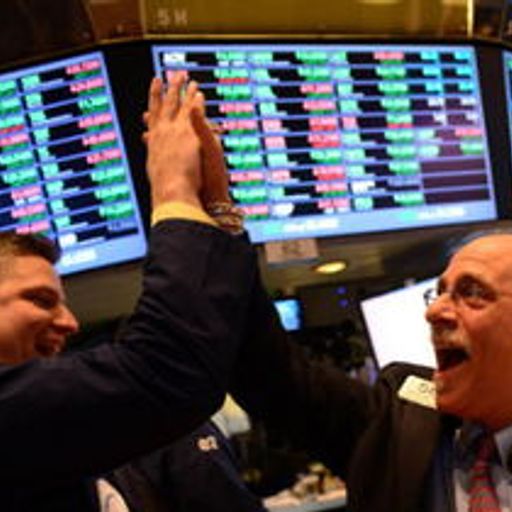
Why Crypto Market Is Down: Geopolitical Shocks and Forced Unwinds Trigger Massive Selloff
Monday’s crypto landscape painted a bearish picture as multiple forces converged to spark a significant market correction. Here’s what moved the needle as of today.
The Catalyst: Trade Tensions Spark Risk-Off Mode
The primary driver behind today’s crypto downturn stems from escalating trade rhetoric between Washington and Europe. The geopolitical tension created an immediate ripple effect across financial markets, with digital assets bearing the brunt of the sell-off. According to derivatives data, approximately US$875 million in leveraged positions were liquidated over a 24-hour period—a substantial outflow that reflected the market’s fragile risk appetite heading into the week.
The proposed tariff framework targeting European nations would begin at 10 percent this February, potentially escalating to 25 percent by June. This uncertainty weighed heavily on sentiment, as thin holiday liquidity amplified the downside moves.
Major Coins Under Pressure
The carnage extended across the entire digital asset spectrum:
The magnitude of decline varied, with alternative assets taking a sharper hit than Bitcoin, suggesting leverage was concentrated in riskier bets.
Liquidation Cascade: When Bullish Bets Turn Sour
The forced liquidations tell an important story. Most unwound positions were bullish bets that got caught off-guard by the sudden policy shift. Thin liquidity conditions exacerbated the selling pressure, creating a cascade effect where stop-losses triggered additional selling.
This pattern is typical during geopolitical shocks—when uncertainty spikes, margin traders face rapid margin calls, forcing exchanges to liquidate collateral at unfavorable prices. The $875 million figure likely represents only a portion of the total impact when accounting for spot market selling.
Corporate Bitcoin Accumulation Continues Amid Volatility
Notably, Michael Saylor’s investment vehicle remains aggressive despite market turbulence. Recent signals suggest additional bitcoin purchases may be imminent following the company’s recent $1.25 billion acquisition. The firm has accumulated nearly 15,000 BTC since the year’s beginning, bringing holdings above 687,000 bitcoin at an average acquisition price near US$75,000.
This institutional buying appetite persists even as retail positions get liquidated, underscoring a divergence in how different investor classes are positioned.
Long-Term Holder Crystallizes Massive Gains
In a separate development highlighting Bitcoin’s transformative potential, a dormant early holder from 2012 resurfaced after more than a decade of silence. The whale liquidated approximately 2,500 BTC above US$100,000, converting an initial investment of just over US$300 per coin into hundreds of millions of dollars—a realized return surpassing 31,000 percent.
Such exits remind the market that early adopters continue to harvest extraordinary gains, though recent sellers may represent meaningful selling pressure.
What’s Next?
The current selloff reflects overlapping pressures: policy uncertainty, margin liquidations, and macro risk-off sentiment. Whether this represents a temporary correction or the beginning of a deeper pullback will depend on how trade tensions evolve and whether additional macroeconomic shocks materialize.