

Trade
Basic
Futures
Futures
Hundreds of contracts settled in USDT or BTC
TradFi
Gold
Trade global traditional assets with USDT in one place
Options
Hot
Trade European-style vanilla options
Unified Account
Maximize your capital efficiency
Demo Trading
Futures Kickoff
Get prepared for your futures trading
Futures Events
Participate in events to win generous rewards
Demo Trading
Use virtual funds to experience risk-free trading
Earn
Launch
CandyDrop
Collect candies to earn airdrops
Launchpool
Quick staking, earn potential new tokens
HODLer Airdrop
Hold GT and get massive airdrops for free
Launchpad
Be early to the next big token project
Alpha Points
Trade on-chain assets and enjoy airdrop rewards!
Futures Points
Earn futures points and claim airdrop rewards
Investment
Simple Earn
Earn interests with idle tokens
Auto-Invest
Auto-invest on a regular basis
Dual Investment
Buy low and sell high to take profits from price fluctuations
Soft Staking
Earn rewards with flexible staking
Crypto Loan
0 Fees
Pledge one crypto to borrow another
Lending Center
One-stop lending hub
VIP Wealth Hub
Customized wealth management empowers your assets growth
Private Wealth Management
Customized asset management to grow your digital assets
Quant Fund
Top asset management team helps you profit without hassle
Staking
Stake cryptos to earn in PoS products
Smart Leverage
New
No forced liquidation before maturity, worry-free leveraged gains
GUSD Minting
Use USDT/USDC to mint GUSD for treasury-level yields

More




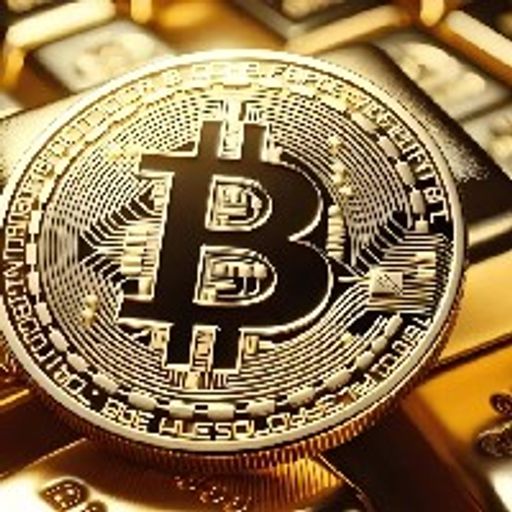

#USGovernmentShutdownRisk Sure — here’s a future-focused, extra-long, detailed macro post for you:
---
#USGovernmentShutdownRisk
U.S. Government Shutdown Risk: A Macro Shockwave That Could Reshape Global Markets
The possibility of a U.S. government shutdown is no longer just political theater — it has become a serious macro risk factor that investors around the world are starting to price in.
As we move deeper into 2026 and beyond, repeated budget standoffs, rising national debt, and political gridlock are exposing structural weaknesses in the world’s largest economy. A shutdown is not simply about federal offices closing — it’s about confidence, liquidity, and global financial stability.
This is why markets are watching closely
What a Government Shutdown Really Means
When the U.S. government shuts down, non-essential federal services stop, employees are furloughed, and key economic data releases are often delayed. But the deeper impact is psychological and financial.
A shutdown signals:
• Political instability
• Policy uncertainty
• Delays in government spending
• Slower economic momentum
• Reduced investor confidence
Even short shutdowns can ripple across global markets. Longer ones can distort GDP data, weaken consumer sentiment, and increase volatility across equities, bonds, commodities, and crypto.
Why This Risk Is Bigger Than Before
Today’s environment is very different from past shutdown cycles.
We now have:
• Record-high U.S. debt levels
• Persistent inflation pressure
• Tight global liquidity
• Fragile banking confidence
• Rising geopolitical tensions
• Heavy reliance on government stimulus
This means any disruption in fiscal operations carries amplified consequences.
Markets are already sensitive. A shutdown could act as a catalyst for broader risk-off behavior.
Potential Market Impact (Forward Outlook)
If shutdown risks escalate, we may see:
Traditional Markets • Stock market volatility spikes
• Defensive rotation into utilities and healthcare
• Bond yield fluctuations
• Reduced institutional risk appetite
Precious Metals • Increased demand for gold and silver as safe havens
• Capital flow into tokenized metals
• Strengthening of real-world assets narratives
Crypto Markets • Short-term volatility from uncertainty
• Medium-term inflows as trust in fiat systems weakens
• Bitcoin positioned as digital hedge
• Growing interest in RWA and decentralized finance
History shows that when confidence in centralized systems declines, alternative assets gain attenti
The Bigger Picture: Structural Stress
Shutdown risks highlight a deeper issue — the sustainability of the current financial model.
With growing deficits and political polarization, fiscal stability is becoming harder to maintain. Central banks can manage interest rates, but they cannot fix governance.
This is why forward-thinking investors are diversifying into:
• Hard assets
• Tokenized commodities
• Bitcoin and blockchain infrastructure
• Decentralized yield platforms
• Cross-border digital finance
The shift is gradual, but it is happening.
Strategic Positioning During Uncertainty
Periods like this are not for emotional trading. They are for preparation.
Smart market participants are:
• Reducing excessive leverage
• Increasing exposure to defensive assets
• Building positions during pullbacks
• Watching liquidity levels
• Tracking dollar strength and bond markets
• Preparing capital for volatility opportunities
Uncertainty creates inefficiency. Inefficiency creates opportunity.
Long-Term Vision (2026–2028)
Looking ahead, repeated shutdown threats could accelerate:
• De-dollarization discussions
• Institutional adoption of digital assets
• Growth in tokenized real-world assets
• Demand for transparent, decentralized systems
• Investor preference for programmable finance
Each political standoff chips away at confidence in traditional frameworks.
The future of finance will not depend on one government.
It will depend on systems that are global, transparent, and resilient.
Final Thoughts
The U.S. Government Shutdown Risk is more than a headline.
It is a reminder that markets are deeply connected to policy, psychology, and trust.
Those who understand this dynamic will not panic they will position.
Stay disciplined.
Stay diversified.
Stay informed.
Volatility doesn’t destroy wealth.
Unpreparedness does
#USGovernmentShutdownRisk