

Trade
Basic
Futures
Futures
Hundreds of contracts settled in USDT or BTC
TradFi
Gold
Trade global traditional assets with USDT in one place
Options
Hot
Trade European-style vanilla options
Unified Account
Maximize your capital efficiency
Demo Trading
Futures Kickoff
Get prepared for your futures trading
Futures Events
Participate in events to win generous rewards
Demo Trading
Use virtual funds to experience risk-free trading
Earn
Launch
CandyDrop
Collect candies to earn airdrops
Launchpool
Quick staking, earn potential new tokens
HODLer Airdrop
Hold GT and get massive airdrops for free
Launchpad
Be early to the next big token project
Alpha Points
Trade on-chain assets and enjoy airdrop rewards!
Futures Points
Earn futures points and claim airdrop rewards
Investment
Simple Earn
Earn interests with idle tokens
Auto-Invest
Auto-invest on a regular basis
Dual Investment
Buy low and sell high to take profits from price fluctuations
Soft Staking
Earn rewards with flexible staking
Crypto Loan
0 Fees
Pledge one crypto to borrow another
Lending Center
One-stop lending hub
VIP Wealth Hub
Customized wealth management empowers your assets growth
Private Wealth Management
Customized asset management to grow your digital assets
Quant Fund
Top asset management team helps you profit without hassle
Staking
Stake cryptos to earn in PoS products
Smart Leverage
New
No forced liquidation before maturity, worry-free leveraged gains
GUSD Minting
Use USDT/USDC to mint GUSD for treasury-level yields

More





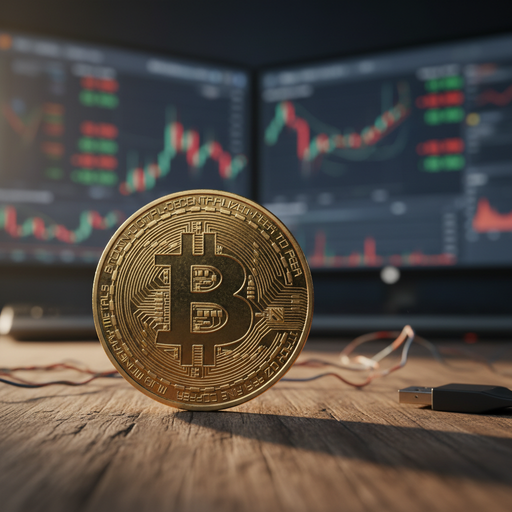

#WhenisBestTimetoEntertheMarket
Timing the market — the dream of every investor, trader, and crypto enthusiast. Everyone wants to buy at the bottom and sell at the top. But here’s the uncomfortable truth: perfectly timing the market is nearly impossible, even for professionals. Markets move based on countless variables — sentiment, macroeconomics, liquidity, news, psychology — and predicting them with precision is more fantasy than strategy.
So when is the best time to enter the market?
The smarter answer is: when you are prepared, informed, and disciplined.
Markets operate in cycles. There are bullish phases driven by optimism and fear of missing out (FOMO), and bearish phases fueled by uncertainty and fear. Most people rush in during hype and panic during crashes — essentially buying high and selling low. Successful investors flip this behavior. They understand that volatility is not danger — it’s opportunity.
One widely respected strategy is Dollar-Cost Averaging (DCA). Instead of trying to predict the perfect entry point, you invest fixed amounts over time. This reduces emotional decision-making and smooths out market fluctuations. Whether prices rise or fall, your long-term exposure grows without the stress of constant timing decisions.
Another key factor is market psychology. Extreme fear often presents better opportunities than extreme greed. When everyone is euphoric, risk increases. When fear dominates, assets may be undervalued. But this doesn’t mean blindly buying dips — it means evaluating fundamentals, trends, and long-term potential.
Preparation matters more than timing.
Ask yourself:
• Do you understand what you're investing in?
• Have you defined your risk tolerance?
• Do you have a long-term strategy?
• Can you emotionally handle volatility?
Entering the market without a plan is like sailing without a compass. Short-term price movements can easily shake confidence. A clear strategy protects you from impulsive decisions driven by noise, headlines, or social media hype.
Another overlooked truth: time in the market often beats timing the market.
Long-term investors benefit from compounding, adoption growth, technological development, and economic shifts. Many of the biggest gains historically came from simply holding quality assets through multiple cycles rather than chasing perfect entry points.
Patience is a competitive advantage.
Waiting endlessly for the “perfect dip” can be just as damaging as buying impulsively. Markets rarely behave exactly as expected. Opportunity often favors those who act rationally rather than those who hesitate indefinitely.
The best time to enter the market is when:
✔ You have done your research
✔ You have a risk management strategy
✔ You are investing money you can afford to lock or lose
✔ Your decisions are based on logic, not emotion
Because ultimately, investing success is less about predicting prices and more about managing behavior.
Markets reward discipline, consistency, and patience far more than prediction.
So instead of asking, “When is the perfect time to enter?”
A better question might be:
“Am I ready to invest wisely?”