

Trade
Basic
Futures
Futures
Hundreds of contracts settled in USDT or BTC
TradFi
Gold
Trade global traditional assets with USDT in one place
Options
Hot
Trade European-style vanilla options
Unified Account
Maximize your capital efficiency
Demo Trading
Futures Kickoff
Get prepared for your futures trading
Futures Events
Participate in events to win generous rewards
Demo Trading
Use virtual funds to experience risk-free trading
Earn
Launch
CandyDrop
Collect candies to earn airdrops
Launchpool
Quick staking, earn potential new tokens
HODLer Airdrop
Hold GT and get massive airdrops for free
Launchpad
Be early to the next big token project
Alpha Points
Trade on-chain assets and enjoy airdrop rewards!
Futures Points
Earn futures points and claim airdrop rewards
Investment
Simple Earn
Earn interests with idle tokens
Auto-Invest
Auto-invest on a regular basis
Dual Investment
Buy low and sell high to take profits from price fluctuations
Soft Staking
Earn rewards with flexible staking
Crypto Loan
0 Fees
Pledge one crypto to borrow another
Lending Center
One-stop lending hub
VIP Wealth Hub
Customized wealth management empowers your assets growth
Private Wealth Management
Customized asset management to grow your digital assets
Quant Fund
Top asset management team helps you profit without hassle
Staking
Stake cryptos to earn in PoS products
Smart Leverage
New
No forced liquidation before maturity, worry-free leveraged gains
GUSD Minting
Use USDT/USDC to mint GUSD for treasury-level yields

More




Is Extreme Fear a Buy Signal? New Data Challenges Traditional Beliefs
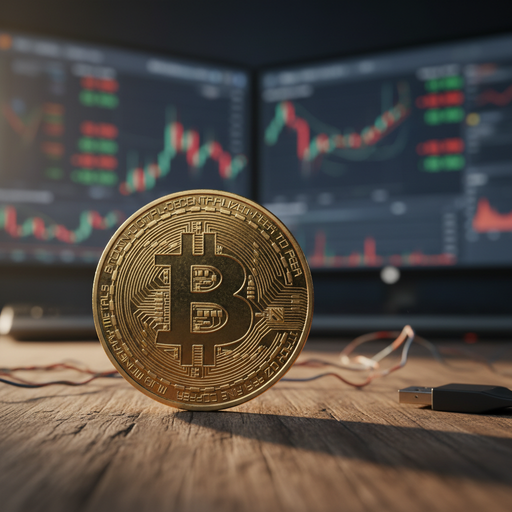
Cryptocurrency market sentiment has fallen into a “Extreme Fear” state as asset prices continue to decline amid increasing macroeconomic and geopolitical pressures.
While some investors see such periods as potential opportunities to buy during price dips, an analyst suggests that excessive caution may not necessarily lead to the optimal entry point.
“Bitcoin Going to Zero” Search Hits Record High Amid Market Extremes of Fear
According to the latest data, the Cryptocurrency Fear & Greed Index, a widely used psychological indicator measuring market sentiment on a 0-100 scale, is currently at 9. This marks a slight recovery from yesterday’s 8 and a record low of 5 last week.
Despite the slight rebound, the latest index indicates the market remains in “Extreme Fear.”
Meanwhile, investor anxiety is also reflected in search behavior. Data from Google Trends shows that searches for the phrase “Bitcoin going to 0” have reached their highest level ever, surpassing previous market downturns.
The search interest score hit 100, indicating peak retail curiosity and growing concern among participants.
However, some market analysts believe that extremely pessimistic phases often present buying opportunities.
Previously, Santiment noted that increased negative sentiment typically occurs when prices fall rapidly. According to this analytics firm, widespread predictions of collapse and stories revolving around terms like “crash,” “panic sell,” or “going to zero” are often signs of retail investor capitulation, where shaken confidence causes weaker hands to exit the market.
“And once you see predictions of a cryptocurrency collapse, that’s usually the best time to officially buy in as prices decline,” Santiment stated.
Data shows that Bitcoin’s best returns come from extreme greed, not fear.
However, Nic Puckrin, an investment analyst and co-founder of Coin Bureau, questions the traditional view that one should buy Bitcoin during extreme fear.
“Buying BTC during ‘extreme fear’ is NOT the smartest decision,” he said.
Puckrin argues that this data complicates the common belief that extreme fear automatically signals an attractive entry point. His analysis indicates that when the Fear & Greed Index drops below 25, the average profit over the next 90 days historically is only 2.4%.
Conversely, buying during phases classified as “Extreme Greed” has yielded significantly stronger performance, with average 90-day returns reaching up to 95%.
Research results suggest that momentum and sustainable bullish conditions, rather than extreme pessimism, are often associated with higher expected profits historically.
“The Fear & Greed Index is just a momentum indicator based on past data. It has limited value in predicting future profits,” he added.
However, some analysts quickly question his choice of timeframe. Critics argue that a 90-day window is too narrow.
A market observer noted that although returns may seem modest three months after an extreme alert, the long-term picture tells a different story.
“You can see that 12 months after a panic, Bitcoin has historically gained over 300%. The Fear & Greed Index is not a 90-day signal. It’s an accumulated warning over 12 months. You shouldn’t expect to get rich immediately after buying during extreme panic,” replied a user.
Ultimately, whether this moment presents an opportunity or risk may depend less on market psychology and more on the investor’s time horizon and strategy.