
Futures
Access hundreds of perpetual contracts
TradFi
Gold
One platform for global traditional assets
Options
Hot
Trade European-style vanilla options
Unified Account
Maximize your capital efficiency
Demo Trading
Introduction to Futures Trading
Learn the basics of futures trading
Futures Events
Join events to earn rewards
Demo Trading
Use virtual funds to practice risk-free trading
Launch
CandyDrop
Collect candies to earn airdrops
Launchpool
Quick staking, earn potential new tokens
HODLer Airdrop
Hold GT and get massive airdrops for free
Launchpad
Be early to the next big token project
Alpha Points
Trade on-chain assets and earn airdrops
Futures Points
Earn futures points and claim airdrop rewards


More


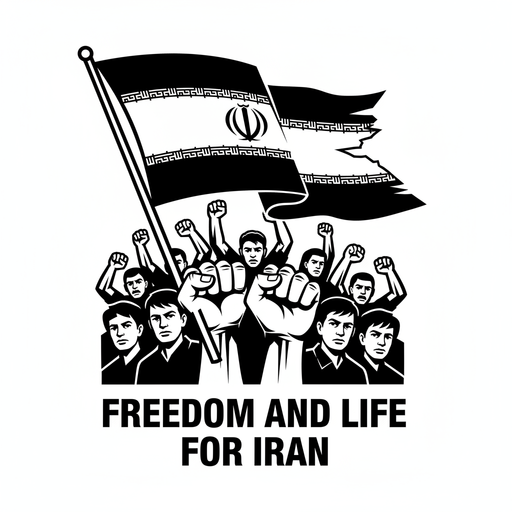



#IranLandmarkBridgeBombed
Iran Landmark Bridge Bombed: Escalation, Consequences, and Regional Implications
In a dramatic escalation of the Middle East conflict, a major Iranian infrastructure landmark, the B1 Bridge near Karaj, northwest of Tehran, was struck and severely damaged during a military airstrike. The attack, reportedly conducted by foreign forces, resulted in civilian casualties and has intensified international tensions. This event underscores how modern conflicts increasingly target infrastructure critical to both national mobility and economic stability, bringing civilian life into the crosshairs.
The B1 Bridge, recognized as one of the tallest and most strategically significant spans in the region, was hit multiple times. Iranian authorities reported at least eight deaths and nearly a hundred injuries. Many of the affected were civilians gathered near the bridge for Nature Day, a traditional holiday marking the end of Nowruz celebrations. The human cost has shocked the nation and sparked widespread condemnation of attacks on non-operational civilian infrastructure.
Although the bridge was still under construction and not yet operational, its strategic and symbolic value was immense. The B1 Bridge was designed to connect Tehran with Karaj, improving regional transport and easing traffic congestion in one of the country’s most populated areas. Standing approximately 136 meters above the landscape and stretching nearly a kilometer in length, it was considered a marvel of modern engineering and a symbol of progress and national pride. Its destruction represents not only a physical loss but a psychological blow to the people who had anticipated the bridge as a milestone of connectivity and development.
The strike occurred amid escalating regional tensions. Military operations over the past months have targeted both conventional military assets and critical infrastructure. The B1 Bridge, despite its civilian appearance, was allegedly used as a transit route for strategic materials and military logistics, making it a contested target. The decision to strike such a high-profile infrastructure piece highlights the blurred lines between military objectives and civilian risk in modern warfare.
The aftermath has sparked outrage and fear. Iranian leadership condemned the attack as a violation of international norms, emphasizing the moral and legal implications of targeting infrastructure tied to civilian life. The attack has also prompted the government to signal possible retaliatory actions, raising fears of further escalation in the region. Analysts warn that cycles of attack and retaliation could expand the conflict beyond current borders, destabilizing surrounding countries and affecting global security.
The economic consequences are profound. Disrupting a major transport link between Tehran and Karaj impacts commerce, daily commuting, and regional supply chains. Businesses that rely on the bridge for logistics now face delays and increased operational costs. Iran’s economy, already strained by sanctions and wartime conditions, faces additional hurdles in maintaining mobility, trade, and public services. The destruction of the B1 Bridge illustrates how attacks on infrastructure ripple far beyond the immediate blast site, threatening broader economic and social stability.
The psychological impact cannot be understated. Infrastructure projects such as the B1 Bridge carry symbolic weight, representing national progress, engineering achievement, and societal development. Their destruction sends a message of vulnerability and can demoralize communities, amplifying the human cost of conflict beyond the immediate casualties. Citizens living in regions affected by the bridge’s destruction now face the daily inconvenience of detours, heightened security alerts, and the emotional strain of witnessing their nation’s progress reduced to rubble.
Humanitarian concerns are escalating alongside these physical and psychological impacts. With transportation networks disrupted, emergency services face delays in reaching victims of subsequent attacks. Hospitals, schools, and other critical facilities may also experience strain as regional logistics falter. The combination of human casualties, displacement, and infrastructure loss creates a multifaceted crisis that demands urgent attention from national authorities and international humanitarian actors.
Global reactions have been mixed. Many nations and international organizations have called for restraint, emphasizing the importance of dialogue and diplomacy to prevent further escalation. Others, citing strategic considerations, have either justified or remained silent on the attacks. The resulting geopolitical tension underscores the complexity of balancing military objectives with humanitarian and legal obligations in modern conflict zones.
Strategically, the bombing of the B1 Bridge highlights the growing role of infrastructure as both a military target and a symbol of national resilience. By striking such a visible and economically critical project, the attacking forces sought to disrupt Iran’s internal logistics while sending a broader message of deterrence. The choice of target demonstrates how warfare now extends beyond traditional battlefields, encompassing economic and psychological dimensions that influence civilian populations and national morale.
The strike also has immediate implications for energy, commerce, and transportation. The bridge was intended to facilitate the flow of goods and people, acting as a critical artery for the region. Its destruction interrupts trade and daily commuting, potentially causing shortages, inflationary pressures, and reduced productivity in the affected areas. Businesses dependent on timely transport may be forced to find alternative routes, increasing costs and reducing efficiency. These economic disruptions illustrate the far-reaching consequences of attacks on infrastructure in modern conflicts.
On a regional scale, this event may trigger ripple effects across neighboring countries. Tensions between Iran and adjacent nations are already high due to ongoing military operations and diplomatic disputes. The destruction of a landmark bridge not only inflames domestic sentiment but could provoke heightened regional alertness, increased military readiness, and the potential for retaliatory strikes across borders. Analysts warn that such escalations risk drawing multiple actors into a broader confrontation, potentially destabilizing the Gulf and Middle Eastern regions.
From a civilian perspective, the attack erodes public confidence in both safety and governance. People rely on infrastructure not only for practical mobility but also as a measure of societal progress. The destruction of the B1 Bridge represents a tangible manifestation of insecurity, with lasting psychological impacts. Communities dependent on the bridge for daily travel now face uncertainty, fear, and frustration, compounding the human toll of the conflict beyond immediate casualties.
The attack also serves as a grim reminder of the human vulnerability inherent in high-profile infrastructure. Projects that once symbolized national pride now stand as targets in strategic calculations. Civilian and military considerations intersect in ways that make non-combatant populations increasingly exposed to conflict’s destructive power. Emergency planning, disaster preparedness, and rapid response capabilities are becoming essential components of national security strategies in regions exposed to modern warfare tactics.
Diplomatic pressures are mounting alongside the humanitarian and economic crises. International organizations and mediators are calling for dialogue to prevent escalation and protect civilians, emphasizing adherence to international law and norms governing armed conflict. However, with both sides entrenched in strategic objectives and retaliatory postures, the prospects for immediate resolution remain uncertain. Analysts suggest that prolonged conflict and infrastructure targeting could lead to wider instability, drawing attention from global powers and increasing the risk of proxy confrontations.
Looking ahead, reconstruction and resilience planning will be critical. Even after hostilities subside, rebuilding the B1 Bridge will require significant investment, technical expertise, and coordination. The long-term recovery of the region depends not only on the physical reconstruction of infrastructure but also on restoring public confidence, economic stability, and regional security. The attack highlights the necessity for governments to incorporate protective measures for critical infrastructure into national planning, including redundancies, early warning systems, and rapid response capabilities.
In conclusion, the bombing of the B1 Bridge in Iran is a stark illustration of the evolving nature of modern conflict, where civilian infrastructure becomes both a strategic target and a symbol of national identity. The human, economic, and psychological impacts are profound, affecting not only those directly injured but also entire communities reliant on the bridge for connectivity and commerce.
The attack raises urgent questions about regional security, the rules of engagement in warfare, and the protection of civilians in areas of strategic importance. It underscores the interconnectedness of military objectives, infrastructure integrity, and humanitarian outcomes, demonstrating that modern conflicts extend far beyond traditional battlefields.
As Iran and the international community navigate the aftermath, the world watches not only the movements of military forces but also the resilience of civilians and communities affected by the destruction. The B1 Bridge may have fallen, but its symbolic significance endures, highlighting the critical need for diplomacy, humanitarian intervention, and long-term planning to prevent further escalation and rebuild the foundations of security and connectivity in the region.