#CryptoMarketSeesVolatility
The crypto market is once again experiencing heightened volatility, reminding investors why this space is both exciting and unpredictable. Prices of major cryptocurrencies have shown rapid fluctuations over the past few days, driven by a mix of macroeconomic factors, market sentiment, and ongoing developments in the blockchain ecosystem.
📊 Market Overview
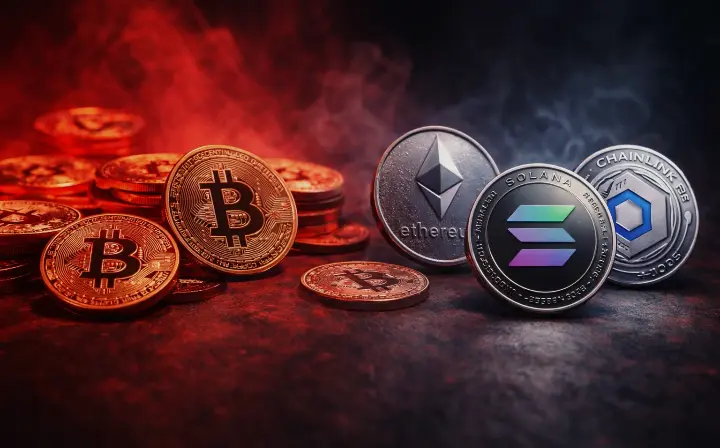
Bitcoin and Ethereum continue to lead the market, but both have seen sharp price swings. These movements are largely influenced by global economic uncertainty, including interest rate expectations and inflation concerns. Altcoins, on the other hand, are showing even higher volatility, with some tokens gaining double digits while others face steep corrections.
📉 Key Reasons Behind Volatility
Several factors are contributing to the current market turbulence:
Macroeconomic Pressure: Global financial markets are under stress, impacting risk assets like crypto.
Regulatory Uncertainty: Ongoing discussions around crypto regulations are creating hesitation among investors.
Market Liquidity: Lower liquidity levels can amplify price swings, especially during large buy or sell orders.
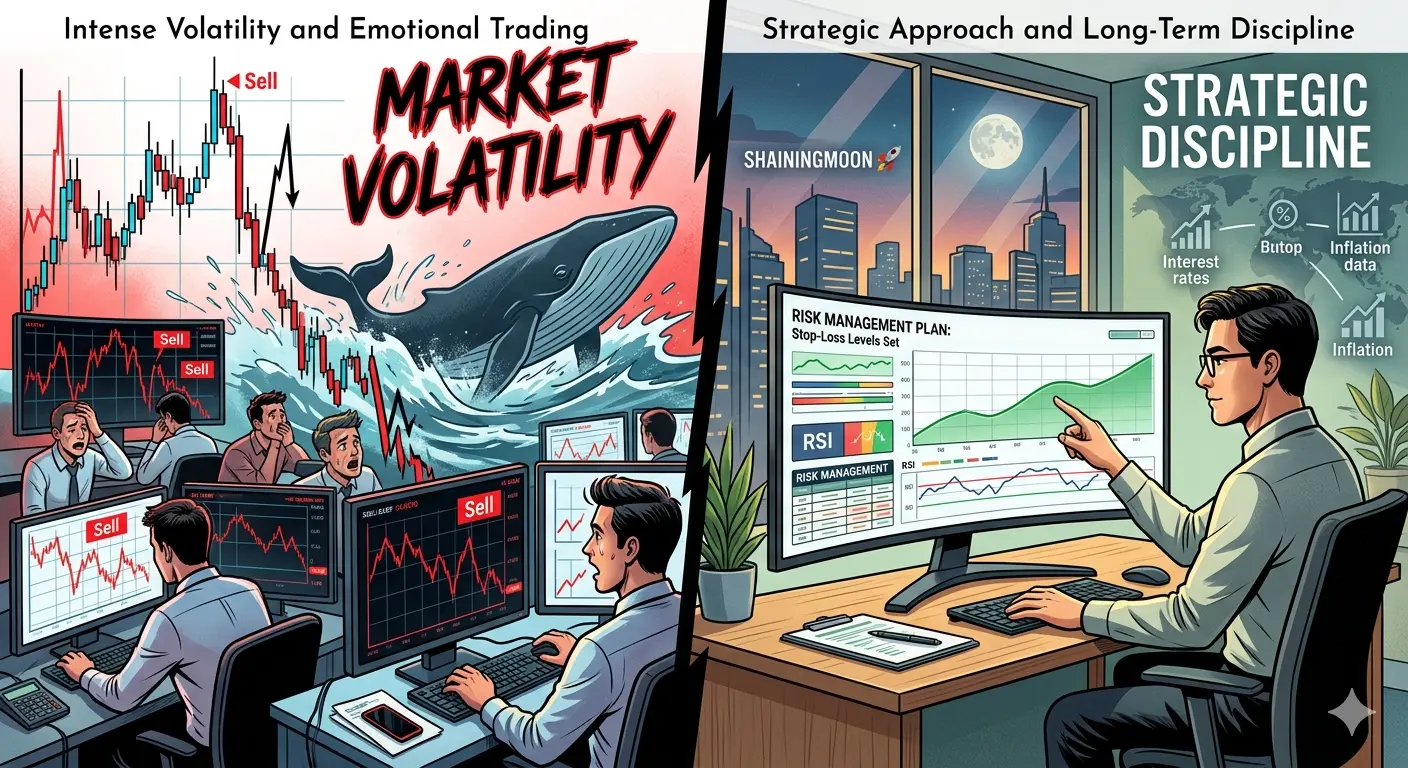
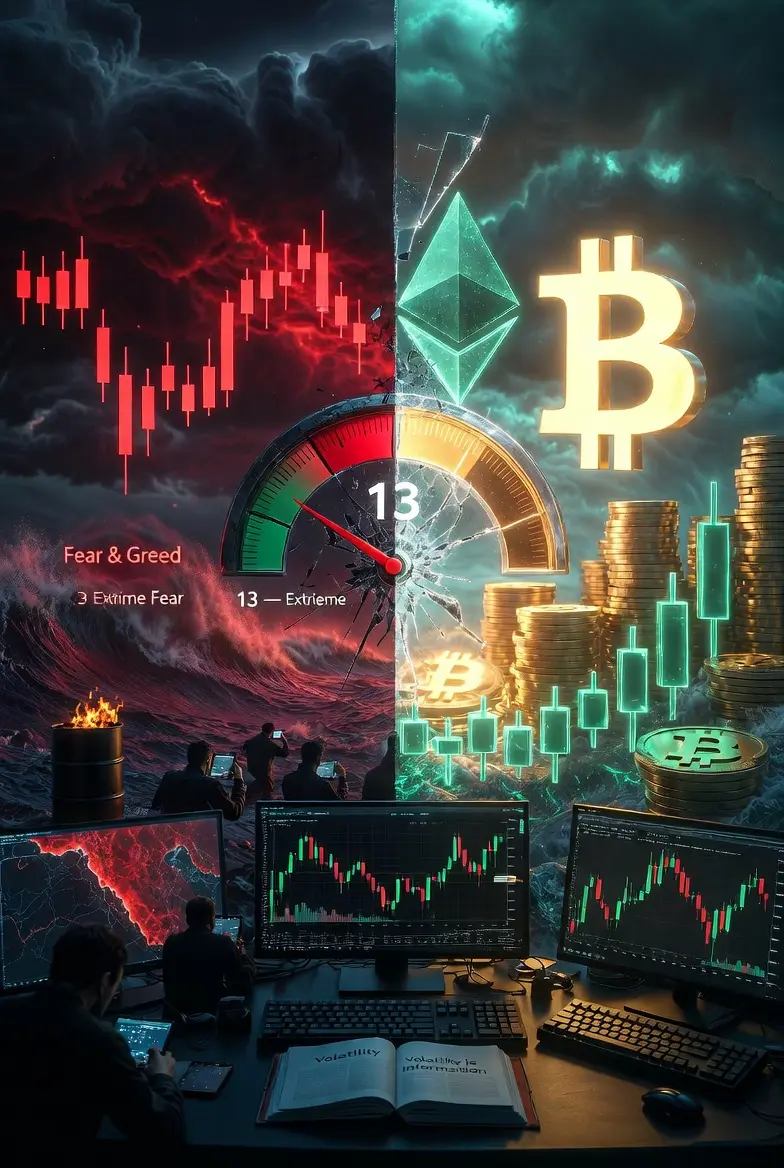
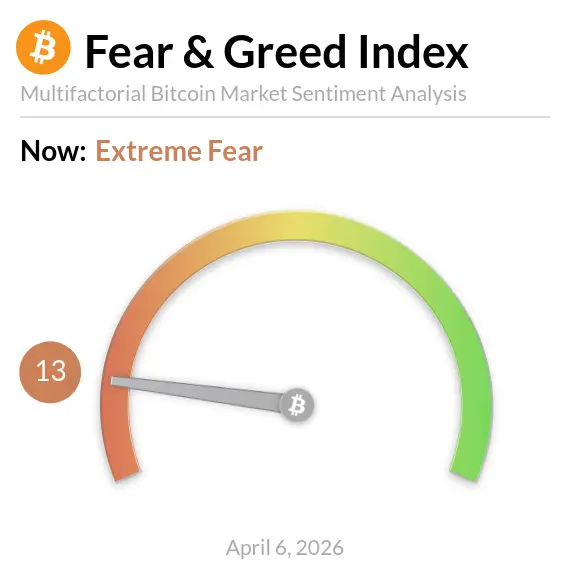
Investor Sentiment: Fear and greed cycles continue to dominate short-term trading behavior.
🚀 Opportunities for Traders
Volatility is not always negative—it also creates opportunities:
Short-Term Trading: Traders can capitalize on price swings through scalping or day trading strategies.
Buying the Dip: Long-term investors may see this as a chance to accumulate assets at discounted prices.
Diversification: Exploring different sectors like DeFi, AI tokens, or Layer-2 solutions can reduce risk.
⚠️ Risks to Consider
While opportunities exist, risks remain high:
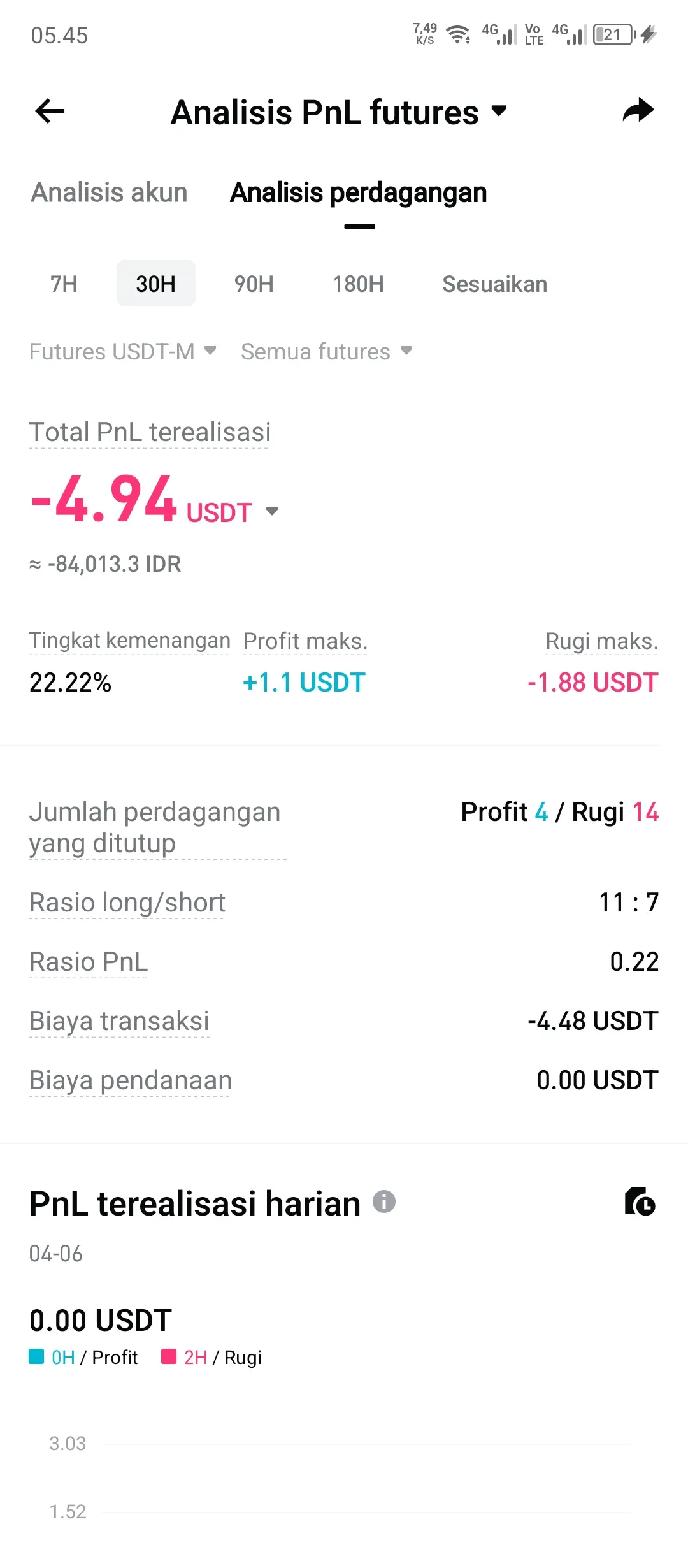
Sudden market crashes can lead to heavy losses.
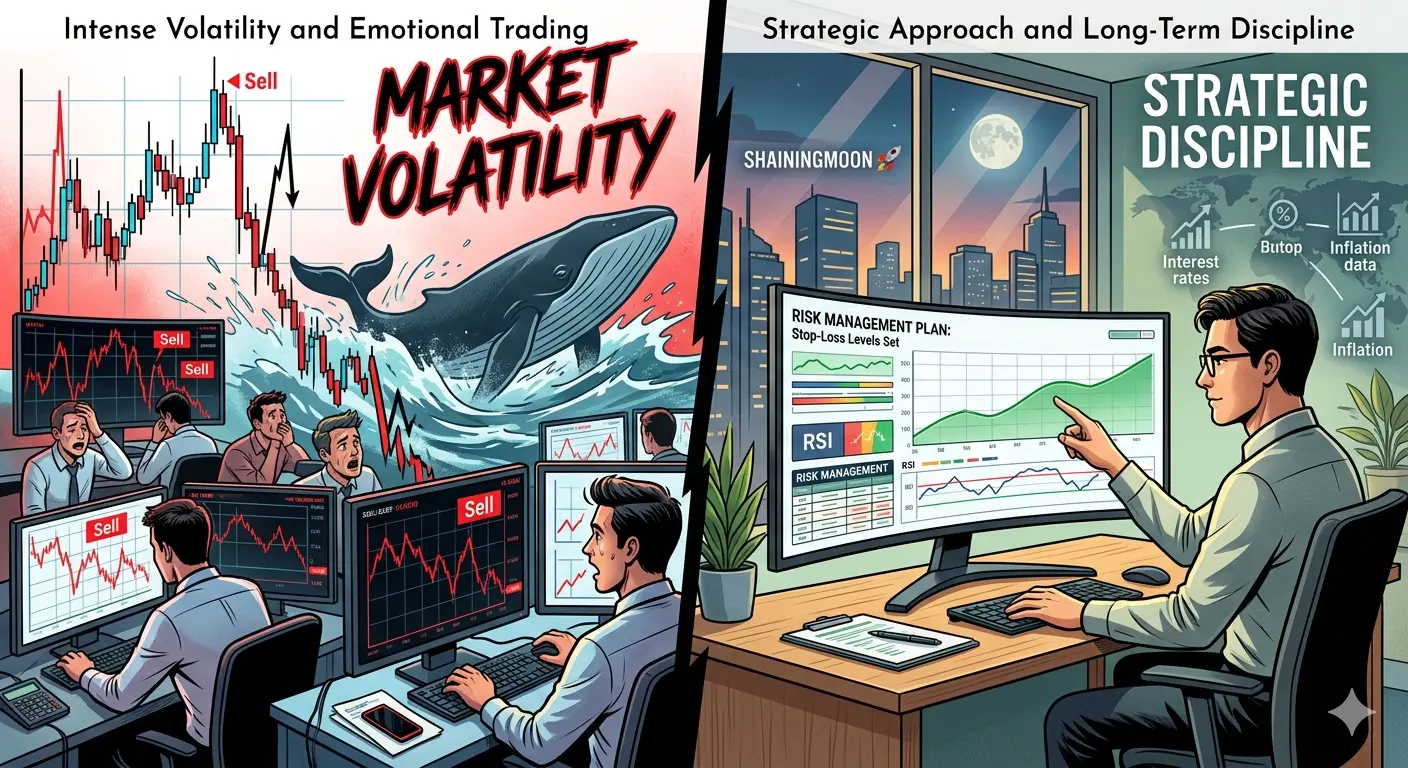
Emotional trading decisions often result in poor outcomes.
Over-leveraging can wipe out portfolios quickly during volatile phases.
🧠 Smart Strategies During Volatility
To navigate the market effectively:
Always use stop-loss orders to manage risk.
Avoid investing more than you can afford to lose.
Stay updated with market news and trends.
Focus on long-term fundamentals instead of short-term hype.
🔮 What’s Next?
The crypto market is likely to remain volatile in the near term. However, this is a natural phase in a maturing industry. As adoption grows and infrastructure improves, volatility may gradually decrease—but for now, it remains a defining feature of the crypto space.
💬 Final Thoughts
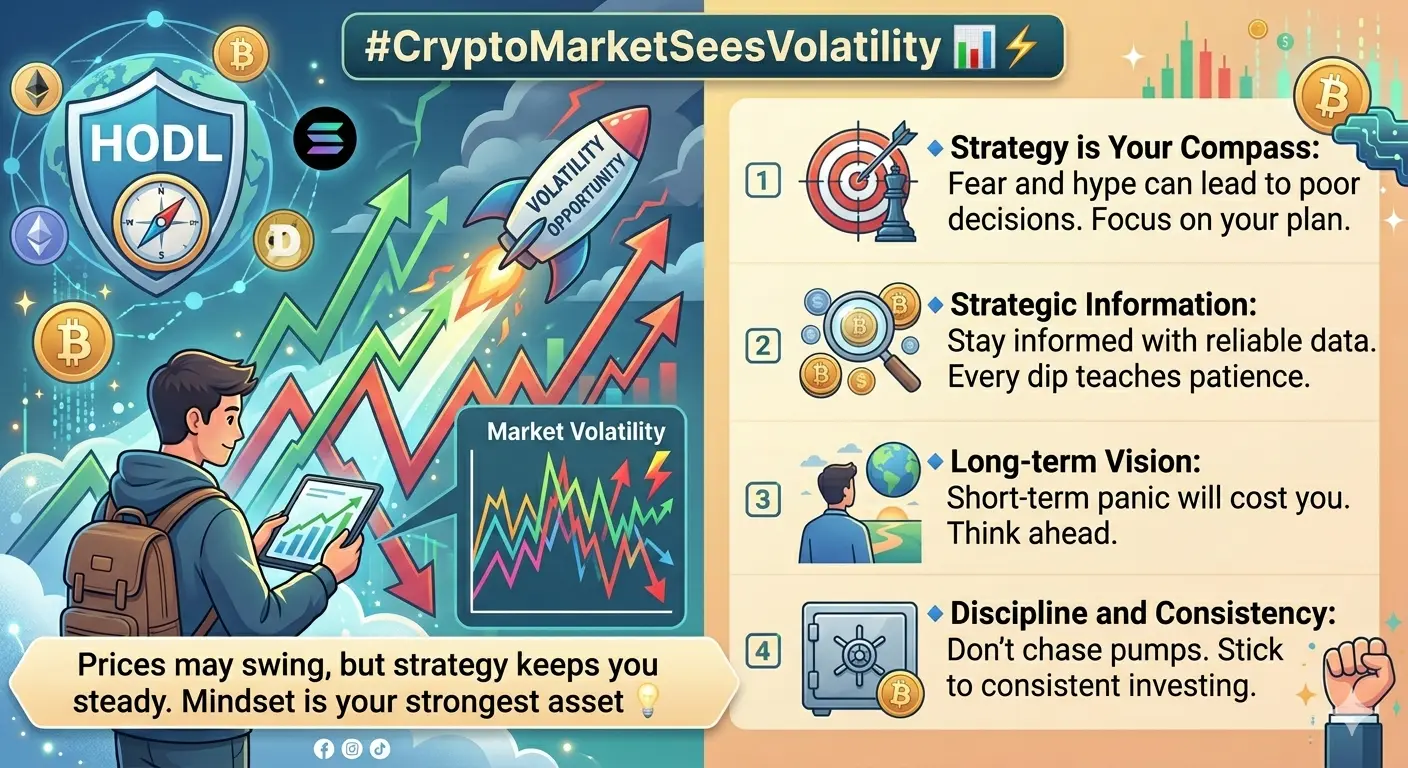
Volatility is the heartbeat of the crypto market. While it brings uncertainty, it also opens doors for growth and profit. The key is to stay informed, remain disciplined, and approach the market with a clear strategy.
The crypto market is once again experiencing heightened volatility, reminding investors why this space is both exciting and unpredictable. Prices of major cryptocurrencies have shown rapid fluctuations over the past few days, driven by a mix of macroeconomic factors, market sentiment, and ongoing developments in the blockchain ecosystem.
📊 Market Overview
Bitcoin and Ethereum continue to lead the market, but both have seen sharp price swings. These movements are largely influenced by global economic uncertainty, including interest rate expectations and inflation concerns. Altcoins, on the other hand, are showing even higher volatility, with some tokens gaining double digits while others face steep corrections.
📉 Key Reasons Behind Volatility
Several factors are contributing to the current market turbulence:
Macroeconomic Pressure: Global financial markets are under stress, impacting risk assets like crypto.
Regulatory Uncertainty: Ongoing discussions around crypto regulations are creating hesitation among investors.
Market Liquidity: Lower liquidity levels can amplify price swings, especially during large buy or sell orders.
Investor Sentiment: Fear and greed cycles continue to dominate short-term trading behavior.
🚀 Opportunities for Traders
Volatility is not always negative—it also creates opportunities:
Short-Term Trading: Traders can capitalize on price swings through scalping or day trading strategies.
Buying the Dip: Long-term investors may see this as a chance to accumulate assets at discounted prices.
Diversification: Exploring different sectors like DeFi, AI tokens, or Layer-2 solutions can reduce risk.
⚠️ Risks to Consider
While opportunities exist, risks remain high:
Sudden market crashes can lead to heavy losses.
Emotional trading decisions often result in poor outcomes.
Over-leveraging can wipe out portfolios quickly during volatile phases.
🧠 Smart Strategies During Volatility
To navigate the market effectively:
Always use stop-loss orders to manage risk.
Avoid investing more than you can afford to lose.
Stay updated with market news and trends.
Focus on long-term fundamentals instead of short-term hype.
🔮 What’s Next?
The crypto market is likely to remain volatile in the near term. However, this is a natural phase in a maturing industry. As adoption grows and infrastructure improves, volatility may gradually decrease—but for now, it remains a defining feature of the crypto space.
💬 Final Thoughts
Volatility is the heartbeat of the crypto market. While it brings uncertainty, it also opens doors for growth and profit. The key is to stay informed, remain disciplined, and approach the market with a clear strategy.