


Futures
Access hundreds of perpetual contracts
TradFi
Gold
One platform for global traditional assets
Options
Hot
Trade European-style vanilla options
Unified Account
Maximize your capital efficiency
Demo Trading
Introduction to Futures Trading
Learn the basics of futures trading
Futures Events
Join events to earn rewards
Demo Trading
Use virtual funds to practice risk-free trading
Launch
CandyDrop
Collect candies to earn airdrops
Launchpool
Quick staking, earn potential new tokens
HODLer Airdrop
Hold GT and get massive airdrops for free
Launchpad
Be early to the next big token project
Alpha Points
Trade on-chain assets and earn airdrops
Futures Points
Earn futures points and claim airdrop rewards


More




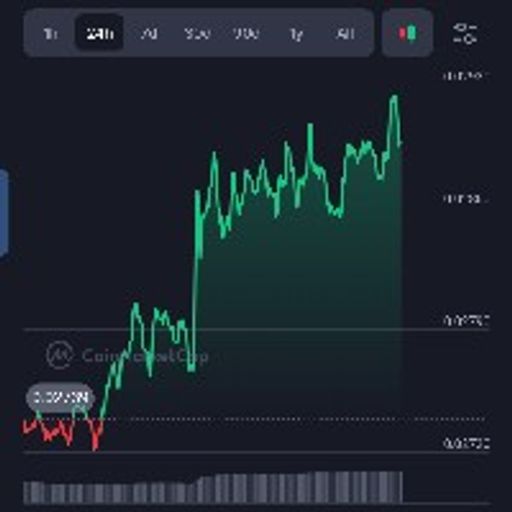
# A Single Strait Holds the World by Its Throat: Why Can Iran Crash the Stock Market with Just Words?
Iran merely moved its lips, announcing the possibility of closing the strait, and the global stock market instantly collapsed as if someone pulled the plug. Why?
Because the Strait of Hormuz isn't just a line on a map—it's a Sword of Damocles hanging over the global economy. The moment this strait catches a cold, your wallet will develop pneumonia.
✒ This isn't just about oil; it's the oxygen tube of industrial civilization
One look at the data reveals how terrifying this is: 1/5 of global oil and over 1/4 of liquefied natural gas must squeeze through this narrow 39-kilometer waterway every single day. While 39 kilometers sounds wide, the actual navigable channels are only 3 kilometers wide on each side—like tightropes.
Hundreds of thousands of tons of supertankers navigate here like clumsy giants with no ability to brake hard or turn around. Iran doesn't even need to deploy missiles; it just needs to scatter a few cheap naval mines in the complex waters, and this global energy artery will instantly develop a blood clot.
✒ Financial shock arrives before warfare
Many people assume blockade means physical cutoff, but the real blow comes at the financial level.
There's a critical mechanism called war risk insurance for maritime transport. Once the strait situation becomes tense, international insurance agencies immediately designate the region as high-risk, and vessel premiums can skyrocket dozens of times overnight.
For shipping companies, this expense is enough to destroy all commercial logic. The only rational choice is to halt operations. Even if the physical channel remains open, the financial shock has already occurred.
✒ Chain reactions across global markets
This is why we must monitor this place closely, because the chain reactions it creates are inescapable for everyone:
▶️ Economic level: Tankers halt → crude oil surges → inflation explodes. The bread in your supermarket and gasoline at the pump will instantly lose price control. Central banks' carefully maintained interest rate balance will be completely shattered.
▶️ Stock market level: Wall Street fears uncertainty most. Once inflation expectations rise, quantitative models automatically trigger sell-offs, and global stocks collapse like dominoes.
▶️ Crypto impact: Don't think this is a safe haven. During true global liquidity crises, Bitcoin typically follows the broader market downward. When institutions need cash, they sell everything they can to raise funds—cryptocurrencies won't escape either.
✒ The terror of mutual destruction
Fortunately, this strait is a double-edged sword. Iran itself depends on this route to sell oil and eat, so the probability of completely flipping the table is relatively low.
It's actually a game: everyone frantically tests the red lines but doesn't dare truly ignite the fire. The Strait of Hormuz is a cruel reminder that in this highly globalized era, ripples from a distant waterway are enough to capsize the little boat of your and my lives.