


Rule Ripping: When government promises collide with judicial iron fists, how will the crypto market reshape its pricing logic?
The Department of Justice sold 57 Bitcoins, which is insignificant from a trading perspective, but its symbolic meaning is like the first domino to fall. This is not a "nuclear explosion," but a "mirror" that has been re-polished — revealing the fundamental conflict that has accompanied the crypto market since its inception: the eternal struggle between the ideals of decentralization and sovereign regulatory iron fists.
The Fragility of Promises and the Inertia of Power:
• Lessons from past cycles: From Mt. Gox to FTX, every "this time is different" promise (such as "too big to fail," "full compliance") has ultimately proven fragile. Trump’s "never sell" promise, in the face of bureaucratic inertia (the DOJ handling confiscated assets) and the game between different authorities (White House vs. DOJ), is equally vulnerable.
• Deep logic: The primary task of the US government (any government) has never been to "maintain Bitcoin prices," but to "uphold its legal and fiscal authority." Handling confiscated assets is routine for the judiciary, with procedures prioritized far above a new, symbolic "strategic reserve" policy. This reveals that as cryptocurrencies integrate into traditional systems, they will constantly encounter clashes between "narrative ideals" and "procedural realities."
Is the market overreacting? Yes and no:
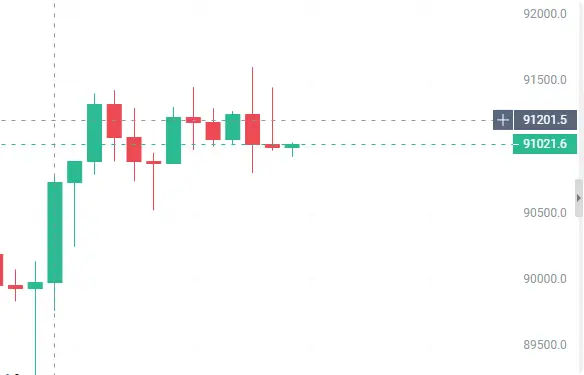
• Short-term is emotion-driven: Price declines are more about market opportunism for technical adjustments and profit-taking rather than panic selling.
• Long-term is trust discounting: However, the market has re-priced "policy uncertainty." Institutional investors, especially giants like BlackRock and Fidelity, must incorporate the new variable of "US government asset disposal risk" into their risk models. This may slightly increase the compliance and political risk premiums for holding Bitcoin, possibly manifesting as a slowdown or increased volatility in ETF fund inflows over the coming period.
1. The essence of the event: an unexpected "stress test"
The DOJ’s "default" sale of 57.55 BTC, though small in amount, is a precise puncture of underlying market beliefs. It tests not the resilience of the Bitcoin network, but whether "sovereign states can be reliable long-term holders" — an emerging narrative.
Test result 1: The unpredictability of sovereign actions is confirmed. The market realizes that government "strategic reserve" commitments may be no match for bureaucratic procedures and immediate fiscal needs across departments. This casts a short-term shadow over the narrative of "Bitcoin as national reserve asset."
Test result 2: The market’s maturity exceeds expectations. No violent price swings occurred. On-chain data shows that whale addresses (holding 1000+ BTC) accumulated net positions during the decline. This indicates that mature investors see this as noise rather than a trend reversal. They are more concerned about whether BlackRock’s ETF continues to see net inflows than which case’s confiscated assets the DOJ auctioned.
2. Trend correction: four core narratives face reassessment
This incident forces us to calmly reevaluate several key narratives:
• "National holder" narrative (discount): Adjust from "unlimited optimism" to "cautious optimism." The motivations for national holdings of Bitcoin are complex and variable (geopolitics, fiscal needs, internal power struggles), and their behavior cannot be predicted by retail "HODL" logic. In the future, any news of "a certain country’s central bank buying" will be discounted; negative impacts from "a certain government selling" may be amplified.
• "Institutionalization" narrative (divergence): Evolve from "single-sided influx" to "structural divergence." For asset management giants like BlackRock and Fidelity with established compliance channels, the impact is limited. But for more cautious traditional pension funds and endowments with rigorous compliance processes, they will demand higher risk premiums (i.e., lower entry prices). The institutionalization process continues, but the pace may shift from "sprint" to "steady progress."
• "Regulatory clarity" narrative (complexity): Shift from "linear improvement" to "zigzag progress." We are moving from the stage of "whether there is regulation" into the deeper waters of "what kind of regulation, who regulates, and how to enforce." The DOJ’s action indicates that even with high-level policies, enforcement friction and discretionary power remain significant. The market must adapt to a more complex, diverse regulatory environment.
• "Decentralization" value narrative (strengthening): Ironically, this event reinforces Bitcoin’s fundamental value proposition — true decentralization and censorship resistance. When people realize even the most powerful governments may "break promises," a system with algorithmically enforced issuance caps, rules embedded in code, and no one can unilaterally change, its trustworthiness is further highlighted.
3. The new investment paradigm in 2026: seeking certainty amid "rule friction"
1. Facing a market where promises may fail and rules conflict, investors must upgrade their strategies:
From "listening to words" to "observing actions and assessing trends": no longer blindly trust political slogans, but focus on on-chain data, ETF fund flows, institutional holdings reports, and other objective indicators. BlackRock’s holdings changes are ten times more important than White House statements.
2. Focus on areas with "minimal regulatory friction":
• Bitcoin spot ETF: already a fact, the most straightforward channel.
• Ethereum and mainstream Layer 2: infrastructure attributes are strong, utility is clear, and the risk of being directly classified as "securities" is lower.
• Compliant RWA (real-world assets) and institutional DeFi: directly serve the transformation of traditional finance and align with long-term regulatory trends.
3. Avoid "regulatory target" assets:
• Privacy coins: face the most direct regulatory pressure (such as the recent Samourai Wallet case).
• High-leverage, high-risk derivative protocols: likely to become the focus of enforcement next.
• Meme coins with hollow narratives and no substantive use: under liquidity contraction and regulatory attention, bubbles are most likely to burst first.
4. Position management is paramount: during this "rule friction" period where black swans and gray rhinos coexist, no single positive or negative event should be the reason for heavy buying or selling. Maintain diversified allocations, staggered entry, and strict stop-loss rules. Keep at least 10-20% cash, not to chase missed opportunities, but to have the ability to buy bloodied chips when irrational market drops occur due to "rule friction."
4. Conclusion: When the tide recedes, see who is swimming naked; rule tearing reveals the foundation
• The DOJ selling 57 BTC is like lighting a small firecracker next to a speeding train. It makes a loud noise, startling some passengers, but does not change the train’s direction or track.
• The power of this train comes from the deep-seated demand for non-sovereign value storage (fission of the petrodollar), from the irreversible trend of institutional asset-liability management (the "7 Siblings" hoarding), and from the grand process of blockchain technology reshaping financial infrastructure.
• The value of this event lies in its early "stress test," screening out fragile funds that flood in only because of "national calls," and revealing true long-term believers. For investors, it is a timely wake-up call: in this chaotic period of old and new systems transitioning, the greatest alpha (excess returns) no longer comes from chasing the loudest narratives but from identifying and sticking to those unbreakable foundations amid rule cracks and frictions.
The storm may capsize some small boats, but cannot reverse the tide’s direction. Our task is to ensure we are steering a sturdy vessel and clearly know where the tide is headed. #美司法部抛售比特币 #预测市场争议 #加密市场观察 #BTC行情分析
Disclaimer: The above analysis and interpretation are based on publicly available market information and do not constitute any investment advice. Cryptocurrency markets are highly volatile; please be aware of market risks. Readers should conduct rational analysis, make cautious decisions, and bear their own risks.
The Department of Justice sold 57 Bitcoins, which is insignificant from a trading perspective, but its symbolic meaning is like the first domino to fall. This is not a "nuclear explosion," but a "mirror" that has been re-polished — revealing the fundamental conflict that has accompanied the crypto market since its inception: the eternal struggle between the ideals of decentralization and sovereign regulatory iron fists.
The Fragility of Promises and the Inertia of Power:
• Lessons from past cycles: From Mt. Gox to FTX, every "this time is different" promise (such as "too big to fail," "full compliance") has ultimately proven fragile. Trump’s "never sell" promise, in the face of bureaucratic inertia (the DOJ handling confiscated assets) and the game between different authorities (White House vs. DOJ), is equally vulnerable.
• Deep logic: The primary task of the US government (any government) has never been to "maintain Bitcoin prices," but to "uphold its legal and fiscal authority." Handling confiscated assets is routine for the judiciary, with procedures prioritized far above a new, symbolic "strategic reserve" policy. This reveals that as cryptocurrencies integrate into traditional systems, they will constantly encounter clashes between "narrative ideals" and "procedural realities."
Is the market overreacting? Yes and no:
• Short-term is emotion-driven: Price declines are more about market opportunism for technical adjustments and profit-taking rather than panic selling.
• Long-term is trust discounting: However, the market has re-priced "policy uncertainty." Institutional investors, especially giants like BlackRock and Fidelity, must incorporate the new variable of "US government asset disposal risk" into their risk models. This may slightly increase the compliance and political risk premiums for holding Bitcoin, possibly manifesting as a slowdown or increased volatility in ETF fund inflows over the coming period.
1. The essence of the event: an unexpected "stress test"
The DOJ’s "default" sale of 57.55 BTC, though small in amount, is a precise puncture of underlying market beliefs. It tests not the resilience of the Bitcoin network, but whether "sovereign states can be reliable long-term holders" — an emerging narrative.
Test result 1: The unpredictability of sovereign actions is confirmed. The market realizes that government "strategic reserve" commitments may be no match for bureaucratic procedures and immediate fiscal needs across departments. This casts a short-term shadow over the narrative of "Bitcoin as national reserve asset."
Test result 2: The market’s maturity exceeds expectations. No violent price swings occurred. On-chain data shows that whale addresses (holding 1000+ BTC) accumulated net positions during the decline. This indicates that mature investors see this as noise rather than a trend reversal. They are more concerned about whether BlackRock’s ETF continues to see net inflows than which case’s confiscated assets the DOJ auctioned.
2. Trend correction: four core narratives face reassessment
This incident forces us to calmly reevaluate several key narratives:
• "National holder" narrative (discount): Adjust from "unlimited optimism" to "cautious optimism." The motivations for national holdings of Bitcoin are complex and variable (geopolitics, fiscal needs, internal power struggles), and their behavior cannot be predicted by retail "HODL" logic. In the future, any news of "a certain country’s central bank buying" will be discounted; negative impacts from "a certain government selling" may be amplified.
• "Institutionalization" narrative (divergence): Evolve from "single-sided influx" to "structural divergence." For asset management giants like BlackRock and Fidelity with established compliance channels, the impact is limited. But for more cautious traditional pension funds and endowments with rigorous compliance processes, they will demand higher risk premiums (i.e., lower entry prices). The institutionalization process continues, but the pace may shift from "sprint" to "steady progress."
• "Regulatory clarity" narrative (complexity): Shift from "linear improvement" to "zigzag progress." We are moving from the stage of "whether there is regulation" into the deeper waters of "what kind of regulation, who regulates, and how to enforce." The DOJ’s action indicates that even with high-level policies, enforcement friction and discretionary power remain significant. The market must adapt to a more complex, diverse regulatory environment.
• "Decentralization" value narrative (strengthening): Ironically, this event reinforces Bitcoin’s fundamental value proposition — true decentralization and censorship resistance. When people realize even the most powerful governments may "break promises," a system with algorithmically enforced issuance caps, rules embedded in code, and no one can unilaterally change, its trustworthiness is further highlighted.
3. The new investment paradigm in 2026: seeking certainty amid "rule friction"
1. Facing a market where promises may fail and rules conflict, investors must upgrade their strategies:
From "listening to words" to "observing actions and assessing trends": no longer blindly trust political slogans, but focus on on-chain data, ETF fund flows, institutional holdings reports, and other objective indicators. BlackRock’s holdings changes are ten times more important than White House statements.
2. Focus on areas with "minimal regulatory friction":
• Bitcoin spot ETF: already a fact, the most straightforward channel.
• Ethereum and mainstream Layer 2: infrastructure attributes are strong, utility is clear, and the risk of being directly classified as "securities" is lower.
• Compliant RWA (real-world assets) and institutional DeFi: directly serve the transformation of traditional finance and align with long-term regulatory trends.
3. Avoid "regulatory target" assets:
• Privacy coins: face the most direct regulatory pressure (such as the recent Samourai Wallet case).
• High-leverage, high-risk derivative protocols: likely to become the focus of enforcement next.
• Meme coins with hollow narratives and no substantive use: under liquidity contraction and regulatory attention, bubbles are most likely to burst first.
4. Position management is paramount: during this "rule friction" period where black swans and gray rhinos coexist, no single positive or negative event should be the reason for heavy buying or selling. Maintain diversified allocations, staggered entry, and strict stop-loss rules. Keep at least 10-20% cash, not to chase missed opportunities, but to have the ability to buy bloodied chips when irrational market drops occur due to "rule friction."
4. Conclusion: When the tide recedes, see who is swimming naked; rule tearing reveals the foundation
• The DOJ selling 57 BTC is like lighting a small firecracker next to a speeding train. It makes a loud noise, startling some passengers, but does not change the train’s direction or track.
• The power of this train comes from the deep-seated demand for non-sovereign value storage (fission of the petrodollar), from the irreversible trend of institutional asset-liability management (the "7 Siblings" hoarding), and from the grand process of blockchain technology reshaping financial infrastructure.
• The value of this event lies in its early "stress test," screening out fragile funds that flood in only because of "national calls," and revealing true long-term believers. For investors, it is a timely wake-up call: in this chaotic period of old and new systems transitioning, the greatest alpha (excess returns) no longer comes from chasing the loudest narratives but from identifying and sticking to those unbreakable foundations amid rule cracks and frictions.
The storm may capsize some small boats, but cannot reverse the tide’s direction. Our task is to ensure we are steering a sturdy vessel and clearly know where the tide is headed. #美司法部抛售比特币 #预测市场争议 #加密市场观察 #BTC行情分析
Disclaimer: The above analysis and interpretation are based on publicly available market information and do not constitute any investment advice. Cryptocurrency markets are highly volatile; please be aware of market risks. Readers should conduct rational analysis, make cautious decisions, and bear their own risks.