

Trade
Basic
Futures
Futures
Hundreds of contracts settled in USDT or BTC
Options
HOT
Trade European-style vanilla options
Unified Account
Maximize your capital efficiency
Demo Trading
Futures Kickoff
Get prepared for your futures trading
Futures Events
Futures Mall
Participate in events to win generous rewards
Demo Trading
Use virtual funds to experience risk-free trading
Earn
Launch
CandyDrop
Collect candies to earn airdrops
Launchpool
Quick staking, earn potential new tokens
HODLer Airdrop
Hold GT and get massive airdrops for free
Launchpad
Be early to the next big token project
Alpha Points
NEW
Trade on-chain assets and enjoy airdrop rewards!
Futures Points
NEW
Earn futures points and claim airdrop rewards
Investment
Simple Earn
Earn interests with idle tokens
Auto-Invest
Auto-invest on a regular basis
Dual Investment
Buy low and sell high to take profits from price fluctuations
Soft Staking
Earn rewards with flexible staking
Crypto Loan
0 Fees
Pledge one crypto to borrow another
Lending Center
One-stop lending hub
VIP Wealth Hub
Customized wealth management empowers your assets growth
Private Wealth Management
Customized asset management to grow your digital assets
Quant Fund
Top asset management team helps you profit without hassle
Staking
Stake cryptos to earn in PoS products
Smart Leverage
NEW
No forced liquidation before maturity, worry-free leveraged gains
GUSD Minting
Use USDT/USDC to mint GUSD for treasury-level yields

More



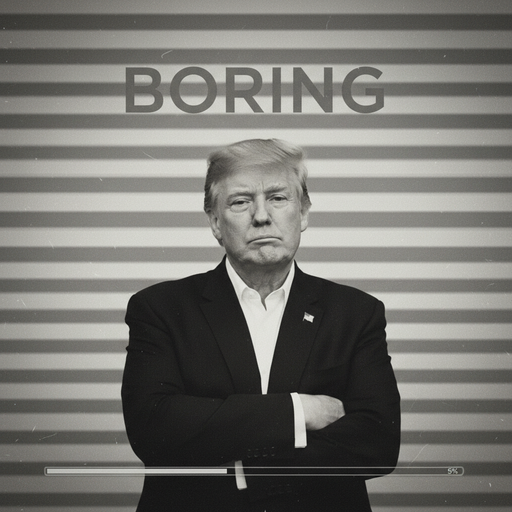



#FedKeepsRatesUnchanged
#FedKeepsRatesUnchanged highlights a period of policy caution, as the central bank assesses the impact of previous rate hikes while monitoring economic resilience. By holding rates steady, the Fed signals that it is neither ready to tighten further nor prepared to shift toward easing prematurely. This approach reflects an effort to maintain stability amid mixed economic signals and persistent uncertainty across global markets.
Why the Fed Chose to Pause Interest Rates:
The decision to keep rates unchanged is largely driven by a combination of moderating inflation trends and signs of slowing economic momentum. While inflation remains a key concern, recent data suggests that price pressures are no longer accelerating at the same pace as before. At the same time, higher borrowing costs have begun to weigh on consumer spending, business investment, and credit conditions. By pausing rate adjustments, the Fed gains additional time to evaluate whether existing policy levels are sufficiently restrictive to bring inflation under control without triggering unnecessary economic stress.
Market Reaction to the Rate Hold Decision:
Financial markets often interpret a rate pause as a signal of temporary stability. Equity markets typically respond positively in the short term, as unchanged rates reduce uncertainty around corporate financing costs. Bond markets may see yields stabilize, reflecting expectations that future rate moves will be gradual rather than abrupt. However, investor reactions remain cautious, as markets continue to debate whether the next policy shift will be toward easing or renewed tightening. The decision under #FedKeepsRatesUnchanged has therefore contributed to a balanced but watchful market environment.
Impact on the US Dollar and Global Markets:
The Fed’s rate decision also influences currency markets and global capital flows. Keeping rates unchanged may limit further strengthening of the US dollar, easing pressure on other major currencies and emerging markets. Global investors closely monitor Fed policy because it affects international borrowing costs, trade competitiveness, and cross-border investment decisions. A steady rate environment provides temporary relief to economies sensitive to dollar liquidity, although long-term effects depend on future policy guidance and economic developments.
Implications for Inflation and Economic Growth:
Holding interest rates steady does not mean inflation risks have disappeared. Instead, it reflects the Fed’s assessment that current policy settings may be restrictive enough to gradually cool price pressures. The challenge lies in achieving a balance between controlling inflation and sustaining economic growth. If inflation declines too slowly, the Fed may be forced to reconsider further tightening. Conversely, if economic growth weakens more sharply than expected, discussions around eventual rate cuts may intensify. This delicate balance remains central to the Fed’s policy outlook.
Effect on Risk Assets and Investor Strategy:
A stable interest rate environment often supports risk assets such as equities and digital assets, as it reduces fears of aggressive tightening. Investors may become more willing to allocate capital to growth-oriented assets, although positioning remains selective. At the same time, the absence of rate cuts limits expectations of rapid liquidity expansion. As a result, market participants are focusing more on fundamentals, earnings performance, and macroeconomic data rather than relying solely on monetary policy support.
Forward Guidance and Policy Communication:
Beyond the rate decision itself, investors closely analyze the Fed’s statements and forward guidance. Subtle changes in language regarding inflation, labor markets, and financial conditions can shape expectations for future policy moves. Clear communication helps manage market volatility and aligns expectations with the Fed’s broader objectives. The tone accompanying the #FedKeepsRatesUnchanged decision plays a crucial role in determining whether markets interpret the pause as a temporary hold or the beginning of a longer policy shift.
A Holding Pattern With Strategic Implications:
In conclusion, #FedKeepsRatesUnchanged represents a strategic pause rather than a definitive turning point in monetary policy. The decision reflects caution, data dependence, and a desire to avoid destabilizing markets while inflation and growth dynamics continue to evolve. For investors, this environment calls for disciplined risk management, close monitoring of economic indicators, and flexibility in strategy. While short-term stability may follow, the longer-term direction of markets will depend on how inflation, growth, and financial conditions develop in the months ahead.