Guide to Integrating the Polygon Network with Your Digital Wallet
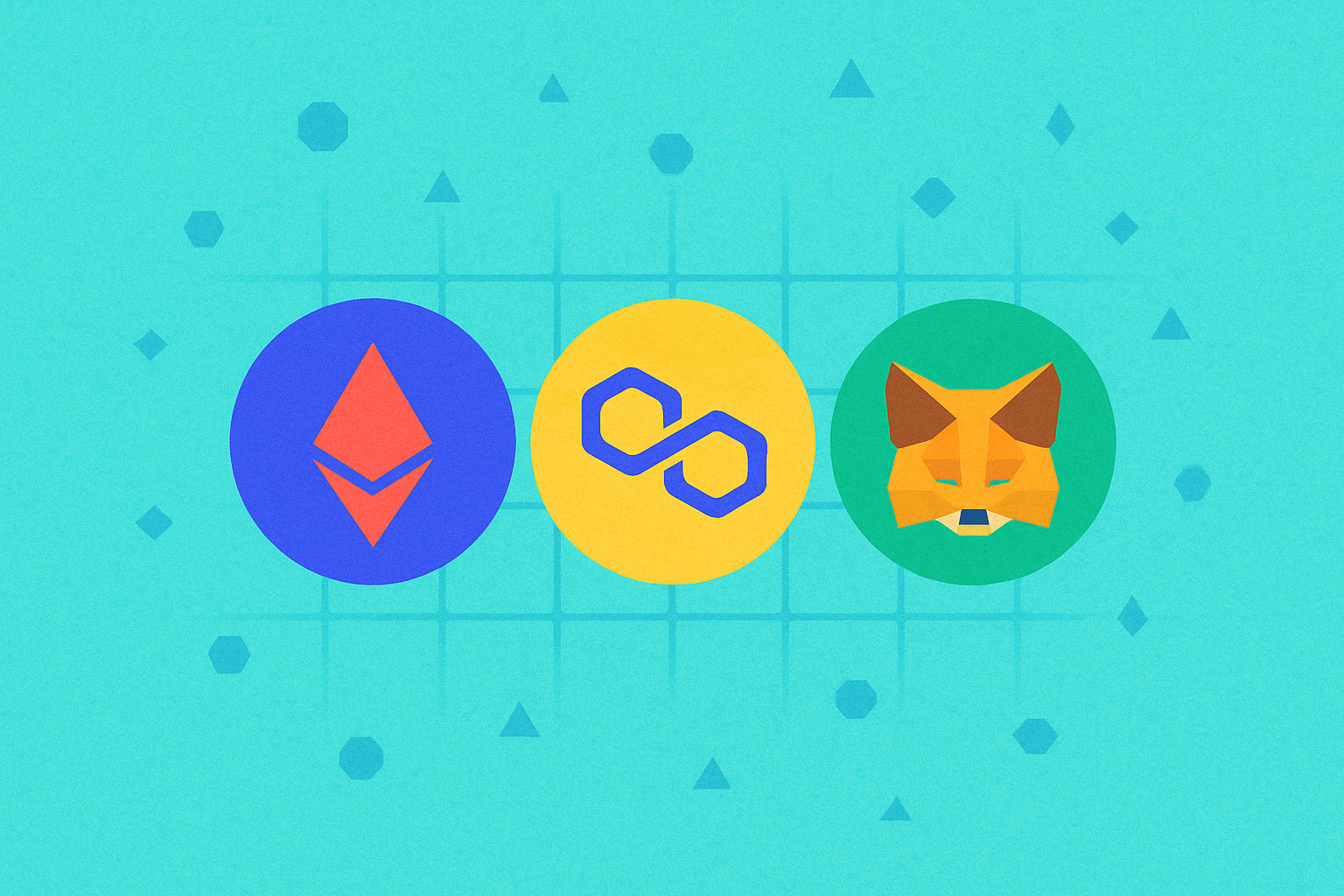
How to Add Polygon to MetaMask
MetaMask is a widely-used cryptocurrency wallet that enables users to securely store, manage, and interact with Ethereum and other Ethereum-compatible cryptocurrencies. Available as a browser extension for Google Chrome, Firefox, and other browsers, MetaMask's key capability lies in its ability to interact with different blockchain networks. This comprehensive guide will walk you through the process of adding the Polygon network to MetaMask and explore the numerous benefits of using this network.
Understanding Polygon Network
The Polygon network, formerly known as the Matic network, represents a Layer 2 scaling solution specifically designed for Ethereum. As a framework for building and connecting Ethereum-compatible blockchain networks, Polygon addresses some of the most pressing challenges facing the Ethereum ecosystem. The network's primary objective is to provide fast and economical transactions while maintaining seamless interoperability with the Ethereum network.
Polygon achieves its goals through innovative architecture that builds upon Ethereum's foundation. By implementing a sidechain approach, it creates an additional layer that processes transactions more efficiently than the main Ethereum network. This design allows developers to build scalable decentralized applications while leveraging Ethereum's security and established ecosystem. The network's compatibility with Ethereum Virtual Machine (EVM) ensures that existing Ethereum-based applications can be easily ported to Polygon with minimal modifications.
Advantages of using the Polygon network
The Polygon network offers several compelling advantages that make it an attractive choice for users and developers. The most significant benefit is its dramatically reduced transaction costs combined with fast confirmation times. This efficiency is achieved through its Proof of Stake consensus algorithm, which significantly reduces the computational requirements needed to validate transactions. As a result, transactions can be processed in seconds rather than minutes, and fees are typically a fraction of what users would pay on the Ethereum mainnet.
For example, while a simple token transfer on Ethereum might cost significant amounts in gas fees during periods of high network congestion, the same transaction on Polygon typically costs less than $0.01. This makes Polygon particularly suitable for applications that require frequent transactions, such as gaming platforms, decentralized exchanges, and micropayment systems.
Interoperability stands as another major advantage of the Polygon network. The network's support for the Ethereum Virtual Machine ensures full compatibility with Ethereum-based decentralized applications (dApps) and smart contracts. This means developers can deploy their existing Ethereum applications on Polygon without significant code changes. Additionally, Polygon supports cross-chain interoperability with other blockchain networks, facilitating easier asset transfers between different blockchain ecosystems. This multi-chain approach positions Polygon as a bridge technology that enhances the overall blockchain user experience.
The Polygon network differs from other scaling solutions in its unique architectural approach. Unlike traditional sidechains that require users to move their assets to a completely separate network, Polygon maintains a strong connection with the Ethereum mainnet. Users can keep their assets secured by Ethereum's robust security while benefiting from Polygon's faster and cheaper transactions. This hybrid approach provides the best of both worlds: Ethereum's security and Polygon's efficiency.
Furthermore, Polygon's framework architecture allows for the creation of multiple interconnected networks, each optimized for specific use cases. For instance, one network might be designed specifically for gaming applications with ultra-low latency, while another focuses on DeFi protocols with enhanced security features. Despite these specializations, all networks maintain interoperability with each other and with the Ethereum mainnet, creating a cohesive multi-chain ecosystem.
Step-by-Step Guide on How to Add the Polygon Network to MetaMask
Adding the Polygon network to MetaMask is a straightforward process that begins with installing the MetaMask browser extension. First, open your preferred web browser, whether it's Google Chrome, Firefox, or Brave. Navigate to the official MetaMask website and click the "Download" button located in the top right corner of the screen. Select your browser type and click "Install" to begin the installation process. Follow your browser's specific instructions to complete the extension installation. Once installed, you'll see the MetaMask icon appear in your browser's toolbar.
If you're new to MetaMask, you'll need to create a wallet or import an existing one. Click the "Get Started" button on the MetaMask welcome screen and choose either "Create a new Wallet" or "Import an existing Wallet." For new wallet creation, follow the prompts to set up your wallet and create a secure password. If importing an existing wallet, you'll need to use your seed phrase or private key. It's crucial to store your seed phrase securely, as it's the only way to recover your wallet if you lose access.
Understanding the MetaMask interface is essential before adding Polygon. The interface displays your account balance in the selected cryptocurrency at the top. The network selection dropdown, usually showing "Ethereum Mainnet," allows you to switch between different blockchain networks. The send and buy buttons enable you to transfer cryptocurrency or make purchases. The activity section provides a complete transaction history, while the settings menu lets you manage security preferences and account settings.
To add the Polygon network specifically to MetaMask, click the network dropdown menu at the top center of the MetaMask interface. Scroll down and select "Add Network" or "Add Network Manually." A form will appear requesting network details. Enter "Polygon Mainnet" as the network name, "https://polygon-rpc.com" as the RPC URL, "137" as the Chain ID, and "MATIC" as the currency symbol. Click "Approve" or "Save" to add the network. Once added, you can easily switch between Ethereum and Polygon networks using the network dropdown menu in MetaMask.
Adding Polygon tokens to your MetaMask wallet requires identifying the token's contract address. Click the MetaMask icon to open the wallet interface and scroll to the bottom where you'll find the "Import tokens" option. You'll need the contract address for the specific Polygon token you want to add, which can be found on the Polygon Blockchain Explorer or the token's official website. In the custom token form, enter the token contract address, symbol, and decimal value. Click "Add Custom Tokens" to complete the process. Your token balance will now be visible in the MetaMask interface, and you can manage it like any other cryptocurrency asset.
Overview of the Features and Benefits of the Polygon Network
The Polygon network's feature set makes it a comprehensive solution for blockchain users and developers. Fast and cheap transactions top the list of benefits, with the network's Proof of Stake consensus mechanism enabling transaction processing in seconds at minimal cost. This efficiency makes Polygon ideal for applications that require high transaction throughput, such as gaming platforms where players make numerous in-game purchases or DeFi protocols with frequent trading activity.
Interoperability represents another crucial feature of Polygon. The network's support for the Ethereum Virtual Machine ensures seamless compatibility with the vast ecosystem of Ethereum-based applications. Developers can deploy their smart contracts on Polygon without rewriting code, while users can interact with familiar applications at a fraction of the cost. The network's bridges to other blockchains further enhance its utility by enabling cross-chain asset transfers.
Scalability is built into Polygon's core architecture as a Layer 2 solution. By processing transactions off the main Ethereum chain while periodically checkpointing to Ethereum for security, Polygon can handle significantly higher transaction volumes without compromising on security. This scalability is crucial as blockchain adoption grows and applications require greater capacity.
The customizable nature of Polygon networks allows developers to create specialized chains for specific use cases. A gaming network might prioritize transaction speed and low costs, while a DeFi network might emphasize security and composability. Despite these customizations, all networks maintain interoperability, creating a versatile ecosystem that can adapt to diverse needs.
Security remains paramount in Polygon's design. The network employs a decentralized architecture with multiple validators ensuring transaction integrity. Regular checkpointing to the Ethereum mainnet provides an additional security layer, leveraging Ethereum's robust consensus mechanism to protect user funds and data.
Examples of What Can Be Done with the Network
The Polygon network enables a wide range of applications across various sectors. Decentralized Finance (DeFi) applications thrive on Polygon due to its low transaction costs and fast confirmation times. Popular DeFi protocols offer lending and borrowing services, decentralized trading platforms for token swapping, and yield farming platforms where users can earn rewards on their cryptocurrency holdings. For example, users can participate in liquidity pools, take out collateralized loans, or trade tokens with minimal fees, making DeFi accessible to users who might be priced out of Ethereum mainnet activities.
Non-fungible tokens (NFTs) have found a natural home on Polygon. Artists can mint their digital artwork at a fraction of the cost compared to Ethereum, while collectors can trade NFTs without paying prohibitive gas fees. This affordability has democratized NFT creation and trading, enabling emerging artists to enter the market and collectors to build diverse portfolios. NFT marketplaces on Polygon offer the same functionality as their Ethereum counterparts but with significantly improved user experience due to lower costs and faster transactions.
Gaming represents one of Polygon's most promising use cases. Blockchain-based games require frequent transactions for in-game purchases, asset trades, and gameplay mechanics. Polygon's low fees and fast confirmation times make these interactions seamless and affordable. Games ranging from collectible card games to complex role-playing games utilize Polygon to create player-owned economies where digital assets have real value and can be freely traded.
Cross-chain interoperability facilitated by Polygon enables users to move assets between different blockchain networks efficiently. This capability is crucial for users who want to take advantage of opportunities across multiple chains or consolidate their holdings. Polygon's bridges make these transfers secure and straightforward, enhancing overall blockchain ecosystem fluidity.
Decentralized applications (dApps) of all types benefit from Polygon's infrastructure. Social networks can offer micro-rewards for user engagement, marketplaces can process transactions without high overhead costs, and governance platforms can enable frequent voting without burdening participants with fees. The possibilities are virtually limitless, constrained only by developer imagination.
Tips and Best Practices for Using the Polygon Network With MetaMask
Successful use of the Polygon network with MetaMask requires attention to several important practices. Always verify that you've selected the correct network before initiating any transaction. The network selector in MetaMask clearly displays the current network, and double-checking this simple detail can prevent costly mistakes such as sending tokens to the wrong network where they might be irretrievable.
Monitoring gas prices remains important even on Polygon, where fees are generally low. Network demand fluctuates, and during periods of high activity, gas prices can increase. While still typically much lower than Ethereum, understanding current gas prices helps you set appropriate transaction fees. Setting fees too low might result in slow confirmation times, while setting them unnecessarily high wastes funds.
Security should always be your top priority when using Polygon with MetaMask. Only use trusted wallets and applications when interacting with the Polygon network. Stick to well-established platforms with strong security track records and active communities. Be wary of unknown dApps or tokens, as the blockchain space unfortunately contains malicious actors looking to exploit unsuspecting users. Always verify smart contract addresses and be cautious of too-good-to-be-true promises.
Adding custom tokens to MetaMask enhances your user experience when working with Polygon. If you frequently interact with specific tokens on Polygon, adding them to your wallet makes transactions more convenient and helps you monitor your portfolio. Always obtain contract addresses from official sources to ensure you're adding legitimate tokens.
For maximum security, consider using hardware wallets such as Ledger or Trezor to store your Polygon assets. These devices keep your private keys offline, protecting them from online threats like phishing attacks or malware. While they require an initial investment, hardware wallets provide peace of mind for users holding significant cryptocurrency value and can be seamlessly integrated with MetaMask.
Staying informed about developments in the Polygon ecosystem helps you make better decisions and take advantage of new opportunities. Follow official Polygon and MetaMask social media accounts, join community forums, and participate in discussions. The blockchain space evolves rapidly, and staying current with updates, security advisories, and new features ensures you get the most from your Polygon and MetaMask experience.
Conclusion
Integrating the Polygon network into MetaMask significantly expands your cryptocurrency capabilities and opens doors to a vast ecosystem of decentralized applications. This guide has provided comprehensive instructions for adding Polygon to MetaMask, from initial setup through advanced usage tips. The Polygon network's combination of fast transactions, low fees, and broad interoperability makes it an essential tool for anyone serious about cryptocurrency and blockchain technology.
The network's features—including its Layer 2 scaling solution, customizable architecture, and robust security—position it as a leading platform for DeFi, NFTs, gaming, and countless other applications. By following the step-by-step instructions and best practices outlined in this guide, you can confidently navigate the Polygon ecosystem with MetaMask and take full advantage of its benefits.
As the blockchain space continues to evolve, Polygon's role as a scaling solution and multi-chain platform becomes increasingly important. Whether you're a developer building the next generation of decentralized applications or a user seeking efficient and affordable cryptocurrency transactions, Polygon and MetaMask together provide the tools you need. By staying informed, practicing good security habits, and exploring the diverse applications available on Polygon through MetaMask, you can fully participate in the decentralized future of finance and digital interaction.
FAQ
Can you add a Polygon to MetaMask?
Yes, you can add Polygon to MetaMask. Click 'Add Network', search for Polygon, and select Polygon Mainnet (Chain ID 137). Fund your wallet with MATIC to use Polygon network tokens.
Is Polygon an ERC-20 token?
No, Polygon is not an ERC-20 token. It's a layer 2 scaling solution for Ethereum, designed to improve transaction speed and reduce costs.
How to get Polygon wallet address on MetaMask?
To get a Polygon wallet address on MetaMask, add the Polygon network in MetaMask, then view your Matic address.
Can I transfer pol to MetaMask?
Yes, you can transfer POL to MetaMask. First, ensure your MetaMask is set up for the Polygon network, then use your MetaMask wallet address to send POL from your current wallet or exchange.
Share
Content
Understanding Polygon Network
Advantages of using the Polygon network
Step-by-Step Guide on How to Add the Polygon Network to MetaMask
Overview of the Features and Benefits of the Polygon Network
Examples of What Can Be Done with the Network
Tips and Best Practices for Using the Polygon Network With MetaMask
Conclusion
FAQ
How to Buy Cryptocurrency


Trending Cryptocurrencies



XZXX: A Comprehensive Guide to the BRC-20 Meme Token in 2025

Bitcoin Fear and Greed Index: Market Sentiment Analysis for 2025

Top Crypto ETFs to Watch in 2025: Navigating the Digital Asset Boom

5 ways to get Bitcoin for free in 2025: Newbie Guide

Bitcoin Market Cap in 2025: Analysis and Trends for Investors

2025 Bitcoin Price Prediction: Trump's Tariffs' Impact on BTC
2025 TAO Price Prediction: Expert Analysis and Market Forecast for Bittensor's Native Token
2025 CC Price Prediction: Expert Analysis and Market Forecast for the Coming Year
2025 M Price Prediction: Expert Analysis and Market Forecast for the Coming Year
2025 DOT Price Prediction: Expert Analysis and Market Outlook for Polkadot's Future Growth
Is HTX DAO (HTX) a good investment?: A Comprehensive Analysis of Tokenomics, Use Cases, and Market Potential